
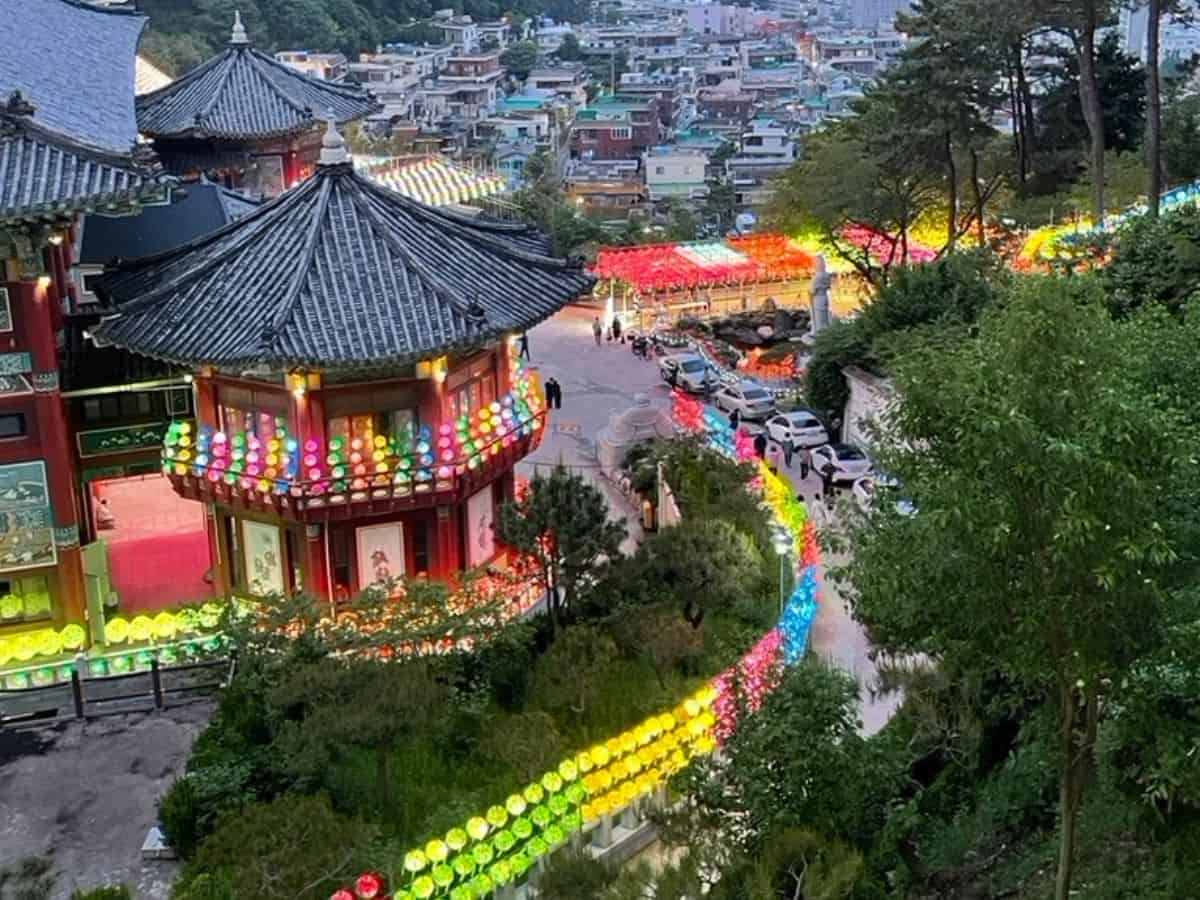

The Lotus Lantern Festival at Samgwangsa Temple is one of the most distinctive and impressive sights in Busan during Buddha’s Birthday season.
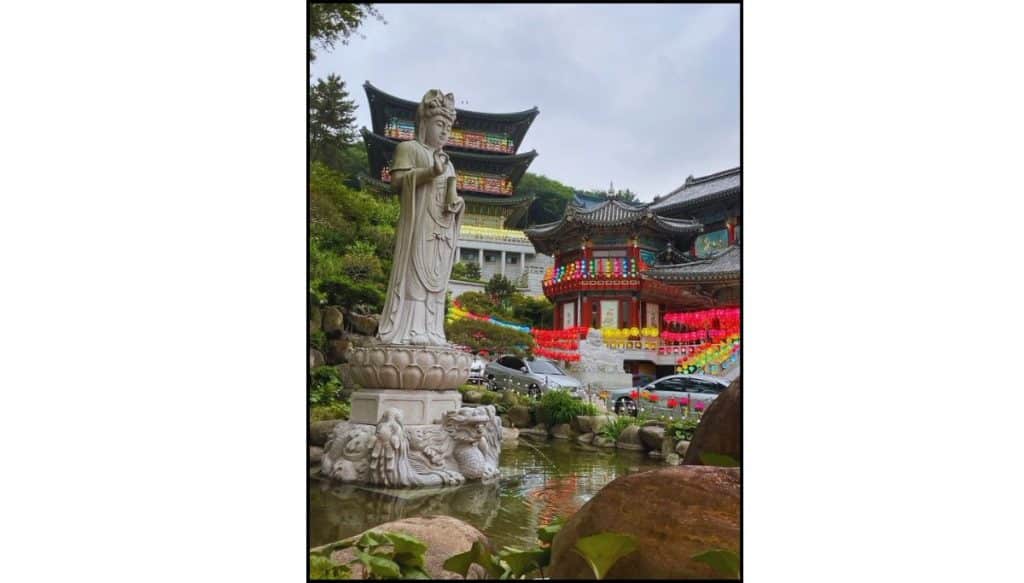
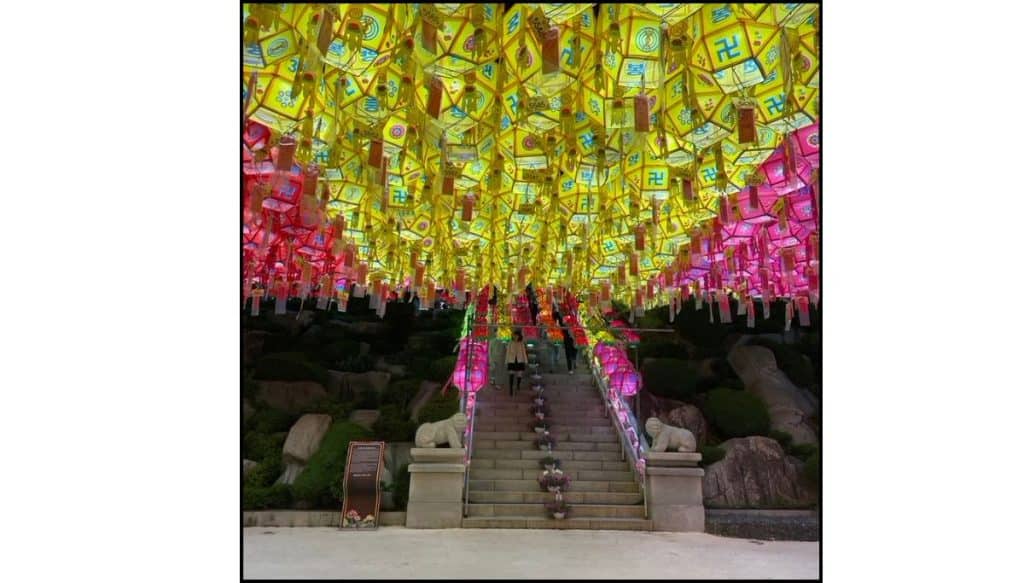
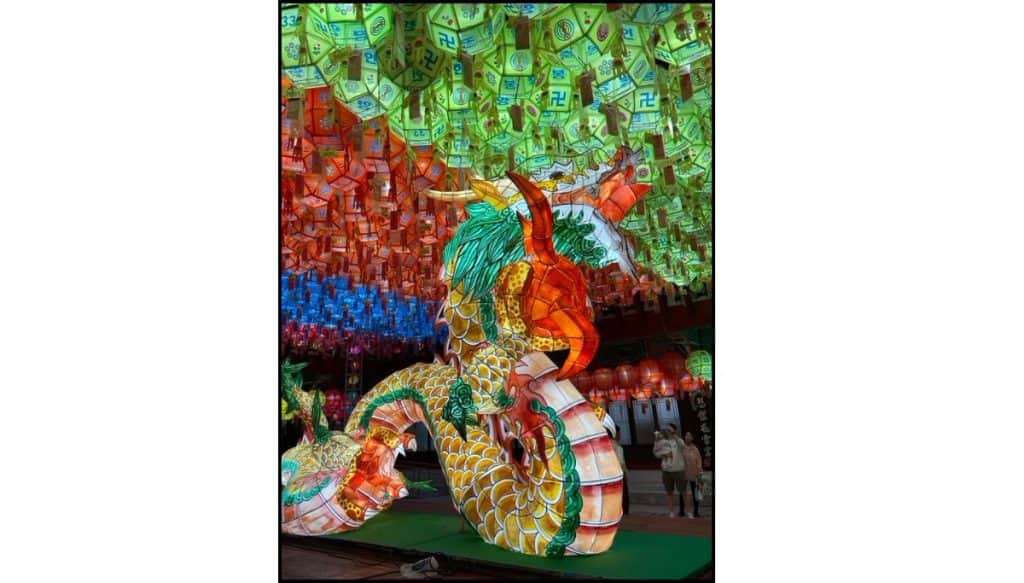
Set in the hills of Busanjin-gu, the temple is decorated with more than 40,000 lanterns, covering the grounds from the entrance paths to the upper levels of the complex.
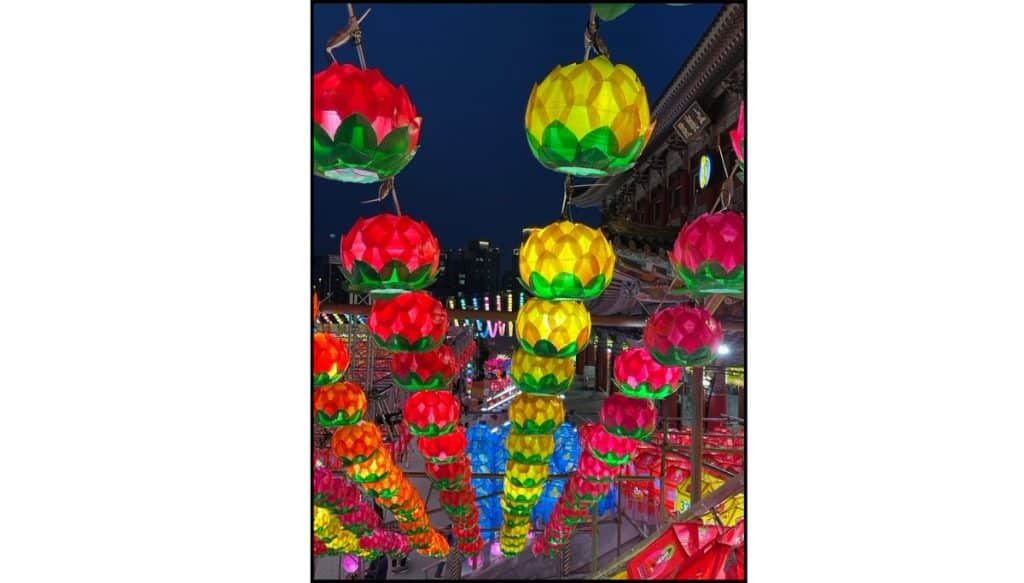
As daylight fades and the lanterns begin to glow, the temple takes on a magical feel.
When Is the Samgwangsa Lotus Lantern Festival?
The Samgwangsa Lotus Lantern Festival is tied to Buddha’s Birthday, which falls on the 8th day of the 4th lunar month.
Because this date follows the lunar calendar, the exact timing changes every year, but it typically falls in late April or May.
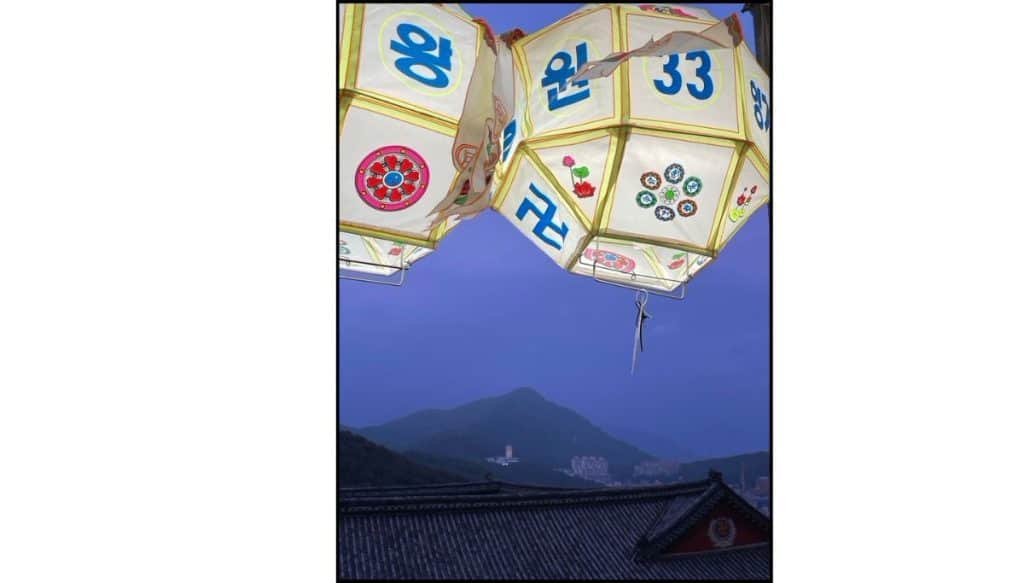
The lantern displays are set up several weeks before Buddha’s Birthday, which gives visitors a wider window to plan their trip.
So, no need to visit on the holiday itself to see the lanterns, and going earlier can be a less crowded experience.
Once Buddha’s Birthday has passed, the lanterns are taken down the following day.
Need KTX Train Tickets to Busan? 👉 Book your tickets here to reserve your seat in advance with Trip.com.
What Time Do the Lanterns Light Up?
During the festival period, the lanterns at Samgwangsa Temple are lit in the evening and remain illuminated late into the night.
Many sources list the lighting window as approximately 7:00 PM to 1:00 AM, but the exact timing can vary slightly by date and sunset time.
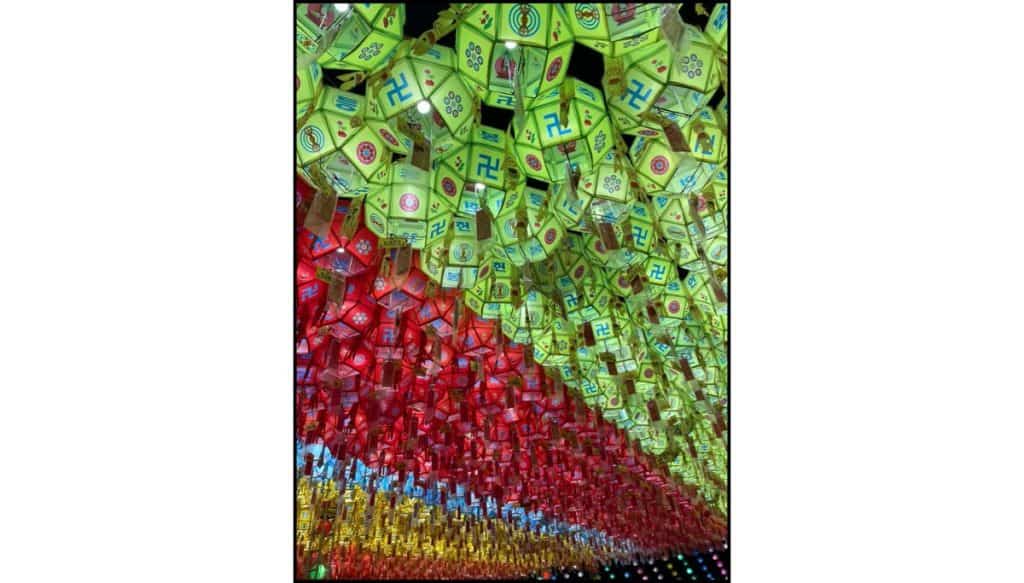
Arriving around dusk can be a little less busy, but the atmosphere changes once it’s fully dark.
As the sky darkens, the lanterns glow brighter, and crowds build. The temple feels noticeably more magical.
How to Get to Samgwangsa Temple
Seomyeon is the easiest starting point.
Although Samgwangsa is geographically close to central Busan, it sits partway up a steep hillside, which makes transportation planning important, especially during the festival.
Best option during the festival: Local bus
Taxis can work outside festival season, but during the Lotus Lantern Festival, the local bus is the most reliable way to get near and or get up the mountain.
Recommended bus:
- Busanjingu Town Bus 15
- Boards near Seomyeon Station Exit 9, across from Yeonggwang Bookstore
- Get off at Samgwangsa Temple stop
This bus takes you directly to the top, which matters more than it sounds once you see the hill.
Alternative buses (longer walk)
Some city buses stop lower on the mountain:
- Bus routes 54, 81, and 133
- Get off at Samgwangsa Temple Entrance
- Expect an approximate 15-minute uphill walk to reach the temple
This walk is steep, and after dark it can feel longer due to crowds and slow foot traffic.
That said, the route is lined with lanterns, so it still feels like part of the experience rather than a dull uphill slog.
Staying connected in Korea is a lot easier with a SIM card or eSim
👉 Grab your SKT Unlimited Local Data & Voice Calls Sim Airport Pick up HERE
OR
Grab your Korea eSIM with SKT Unlimited LTE data + Voice
What I Wish I Knew Before Going to the Festival
Busanjingu Town Bus 15 gets packed.
It’s a small town bus, and there will almost always be a line to board it both going up to the temple and coming back down, especially as Buddha’s Birthday approaches.
Arriving earlier helps.
Getting there before sunset improves your chances of boarding the direct bus without a long wait to get there.
The same applies when leaving. The later it gets, the more limited your transport options become.
Taxis do not go all the way up to the top
As crowds build in the evening, traffic on the mountain road becomes congested.
Many taxi drivers might not drive all the way up to the temple entrance, especially during peak hours.
This is common and not unusual. They don’t want to get stuck in the gridlock.
Wear Comfortable Shoes and Expect to Walk A LOT
It’s normal for most visitors to walk both uphill and downhill during the festival.
Only one small town bus goes all the way to the temple entrance, and it fills quickly. You might end up taking a different bus and walking uphill.
Once you arrive, you’ll also be walking a lot around the temple itself.
The grounds include slopes, stairs, and uneven paths, and movement slows as crowds build after dark.
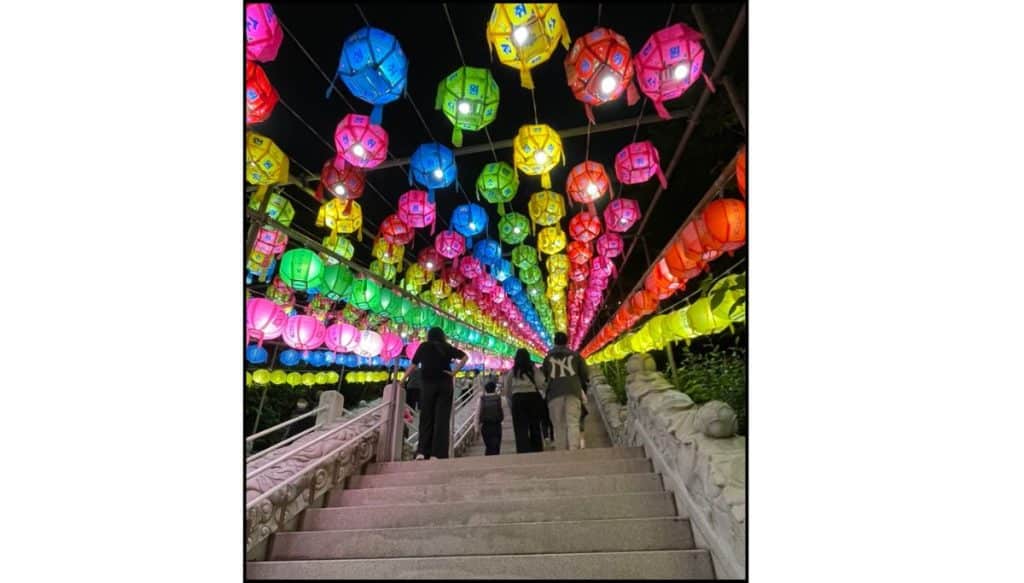
If you walk down later in the evening, the route is steep and can be crowded in places.
Comfortable, supportive shoes make a real difference here. This isn’t a place you want to underestimate physically, especially if you plan to stay after dark
How Long Should I Plan to Stay?
Once you factor in transportation, walking uphill, and crowd movement, most visits to Samgwangsa during the Lotus Lantern Festival last at least an hour, and often longer.
Movement through the temple grounds is slow, especially after dark, and most people stop frequently to look around and take photos.
If you arrive later in the evening or visit closer to Buddha’s Birthday, crowds build, and everything takes more time.
A 60-minute or longer timeframe is reasonable if you want to wander without rushing.
This works best as an evening activity where you’re not trying to squeeze it between other plans. You will be tired, for sure.
Is the Samgwangsa Lotus Lantern Festival Worth Going?
100% YES! Do not miss this event!
Despite the crowds, hills, and additional planning, the festival is absolutely worth attending.
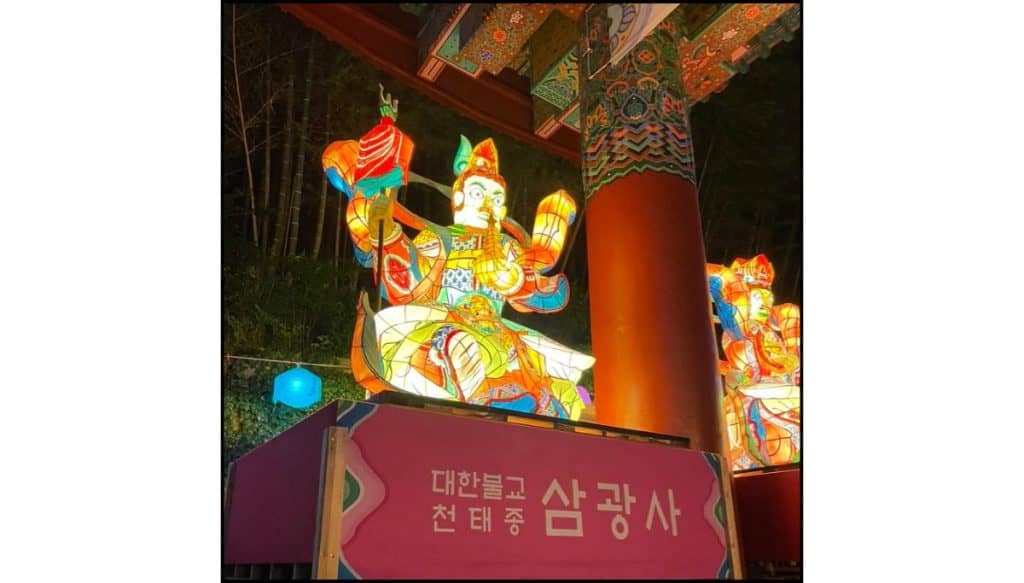
It’s not just popular locally either. It has received international recognition, including a CNN Travel feature on its 50 Beautiful Places in Korea.
Once the lanterns are fully lit, the scale of the display is hard to take in all at once.
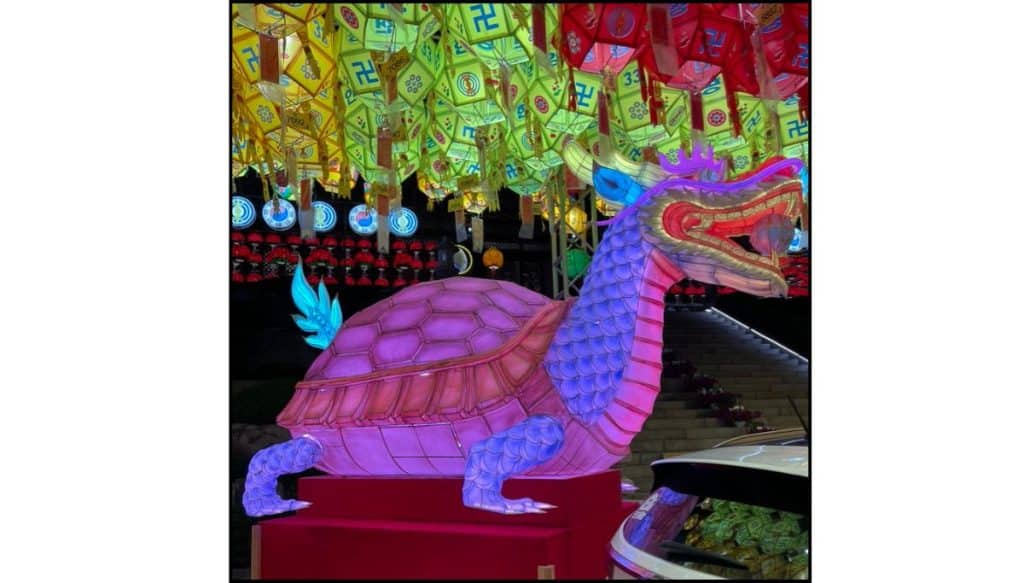
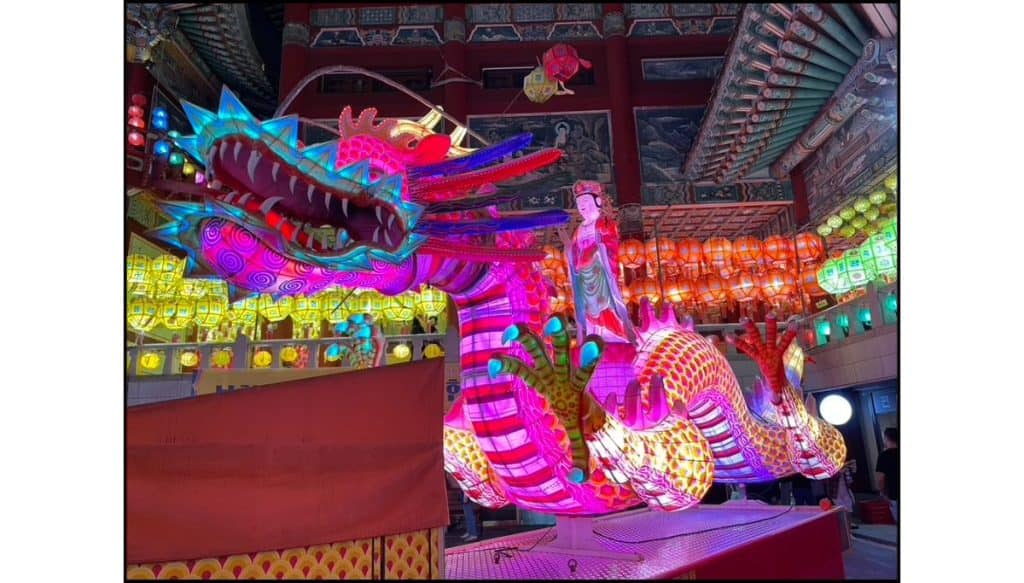
Lanterns stretch across the temple grounds in every direction, layered along paths and stairways and hung in open areas creating tunnels, with designs ranging from lotus flowers to large, elaborate installations.
Among them are larger features, including fire-blowing dragons that activate periodically in the evening, which tend to catch people off guard the first time they happen.
The commute, crowds, and walking are part of the reality, but they don’t cancel out the experience.
If anything, they reinforce how special the event is. People linger, move slowly, take photos, and take their time, creating a shared, almost celebratory energy.
If you plan ahead and know what to expect, the experience feels busy but rewarding rather than stressful.
If you’re visiting Busan during Buddha’s Birthday season, this is one of those events that genuinely lives up to its reputation.
F.A.Q.
When I visited, there were no large food tents or a dedicated food area on the temple grounds. However, during major festivals, some temples may offer simple vegetarian food or snacks, but this isn’t guaranteed and shouldn’t be relied on for a full meal. You may see small vendors selling drinks or snacks along parts of the walk down the hill or in nearby residential areas. It’s best to eat before you go or plan to eat afterward.
Yes. There is no admission fee to enter the temple or see the lantern displays.
No tickets or reservations are required. You can simply show up during the festival period.
Yes. The festival is open to everyone, and many visitors come simply to see the lantern displays. Participation in any religious rituals is completely optional.
Yes, especially after dark and in the days leading up to Buddha’s Birthday. Crowds move slowly, but the atmosphere is generally calm rather than chaotic.
The temple grounds include steep slopes, stairs, and uneven paths. Strollers and wheelchairs may be difficult to manage in crowded areas, especially after dark.
The lanterns are lit into the late evening, generally from 7 pm to 1 am. That said, transportation options become more limited the later it gets, so plan your return in advance.
Final Thoughts
The Samgwangsa Lotus Lantern Festival isn’t effortless. There are hills, crowds, and some planning required.
Once you’re standing among thousands of glowing lanterns, all of that fades into the background.
Surrounded by thousands of glowing lanterns, it’s clear why this is an experience people return to year after year.
Planning Your Busan Trip
If you’re still putting your itinerary together, these guides can help: