
Wander S Korea may contain affiliate links. If you make a purchase using one of the links below, we may receive compensation at no extra cost to you. We only recommend products and services we use and trust. Read our disclaimer for more information.
If you want a glimpse of daily life in Seoul, start with the city’s traditional markets.
Think sizzling street food, bargain clothing racks, and grandmothers selling produce beside stalls packed with K-pop trinkets, all part of what makes the traditional markets in Seoul such a sensory overload.
During my time living in South Korea, I regularly visited my local market and got a feel for just how central these spots are to everyday life.

While I haven’t shopped extensively in every market in Seoul, I’ve explored several and pulled together this guide to the best markets in Seoul, so you know what to expect, whether you’re bargain hunting or just hungry for tteokbokki.
This post covers the markets everyone tells you to visit, plus a few smaller ones that do not get much attention but are still worth the trip.
Best Markets in Seoul At a Glance
Seoul’s traditional markets are packed with flavor, culture, and hidden gems. If you’re short on time, here are the top picks:
- Namdaemun for cheap souvenirs and variety
- Gwangjang for must-try Korean street food
- Myeongdong for snacky street food and skincare hauls
- Noryangjin if you want to eat fresh seafood right from the tank
- Mangwon or Tongin for a local, low-key vibe without the tourist crush
- Gyeongdong for traditional Korean medicine and a quieter, more photogenic market
Staying connected in Korea is easier with a SIM card or eSIM. Grab an SKT SIM card with airport pickup if you want something physical, or grab a Korea eSIM with SKT unlimited data if your phone supports it.
Explore The Large Markets In Seoul
Seoul’s biggest markets are busy, bold, and packed with personality.
They attract both locals and tourists and offer an unfiltered look at daily life, from bargain hunting to street food binging.
Namdaemun Market
Best for: Cheap souvenirs, wholesale prices, and a huge variety of everyday goods.
Directions: Take Subway Line 4 to Hoehyeon Station, Exit 5.
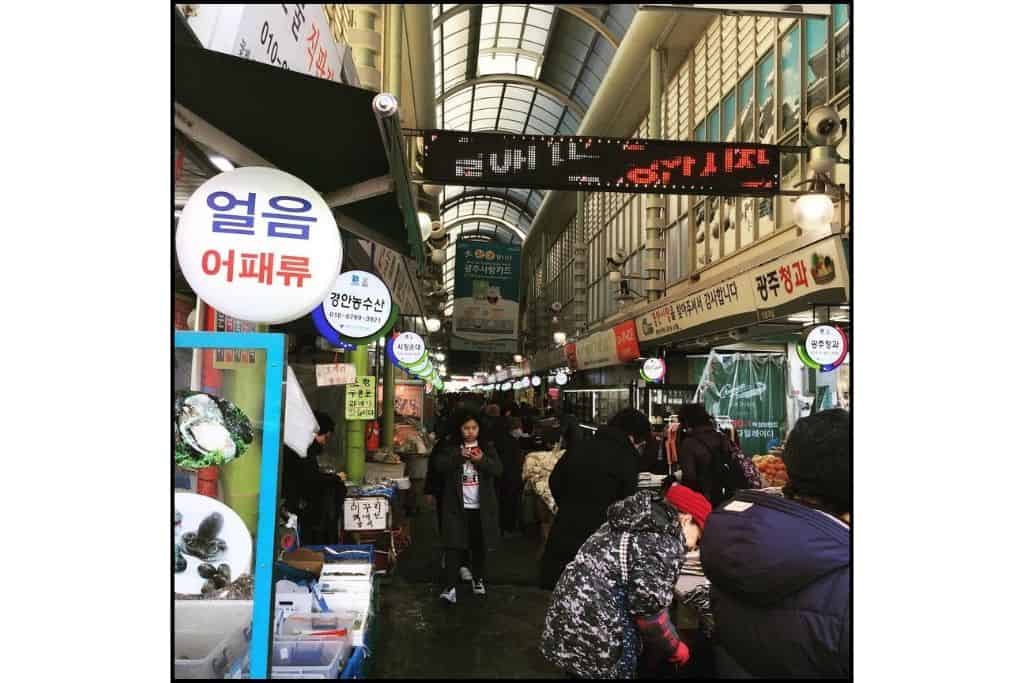
Located near Namdaemun Gate (Sungnyemun), this is one of Seoul’s oldest and largest traditional markets, dating all the way back to the 15th century.
Namdaemun is a go-to market for street food, shopping, and souvenirs.
I include Namdaemun Market in our 3-day Seoul itinerary, so you can see how it fits into your trip.
You’ll find everything from household goods and clothing to snacks and small gifts.
It’s especially known for competitive prices, since many shops sell wholesale items.
The market is often crowded, especially during the day.
Shop around to compare prices, and keep in mind that light, respectful haggling may be possible for non-food items such as clothing and accessories.
When to Go: Most shops are open during the day and closed on Sundays. Food stalls may run into the evening, but daytime visits are best for shopping.
Hours:
- Shops: open during the day, closed Sundays
- Food stalls: may run into the evening, but daytime is best for shopping
Dongdaemun Market
Best for: Late-night fashion shopping, wholesale finds, and budget-to-designer fashion in one district.
Directions: Dongdaemun Station puts you near the main shopping areas.
Dongdaemun History & Culture Park Station is more central if you’re heading to the larger malls. Both are convenient access points.

Dongdaemun Market is really two zones in one: retail malls like Hyundai City Outlets, Lotte Fitin, and Migliore for everyday shoppers, and wholesale buildings like APM Place and Designer Club for bulk buyers, though many also sell to individuals.
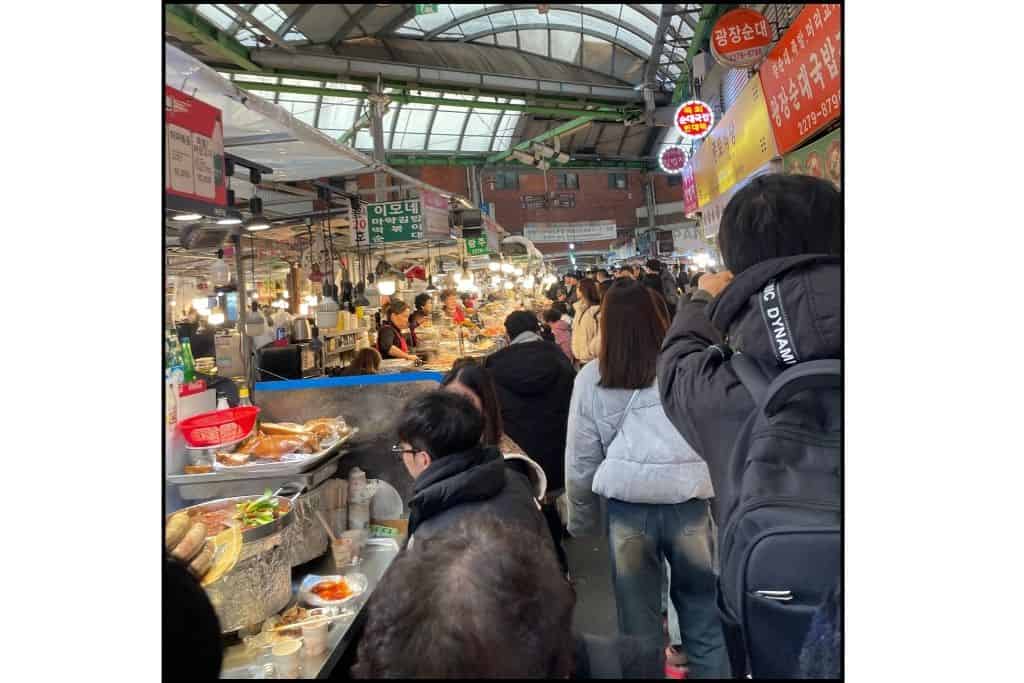
Officially, Dongdaemun Market is open 24 hours, with hours varying by store.
In practice, the retail malls tend to run from daytime into the early morning, while the wholesale buildings keep strange hours and really only get going in the evening.
Either way, this is one of the few markets on this list that genuinely comes alive after dark.
Dongdaemun is also where you’ll find a stretch of the old Seoul City Wall, one of the spots in our guide to free things to do in Seoul, so it’s easy to combine a walk along the wall with a shopping trip.
I found Dongdaemun a bit overwhelming at first, since it’s huge and easy to get turned around.
If it’s your first visit, the Dongdaemun Tourist Information Center near Exit 14 is a good place to grab a map before you dive in.
When to Go: For the wholesale side, evenings and overnight are when things pick up.
For casual retail shopping, daytime works fine too, this is one of the few markets in Seoul that’s genuinely open around the clock.
Hours:
- Officially open 24 hours; exact hours vary by store
- Retail malls: generally daytime into early morning
- Wholesale buildings: mostly evening into early morning, many close Saturdays but open Sunday evenings
Myeongdong Market
Best for: Street food, K-beauty shopping, and affordable souvenirs, easy to navigate without any Korean
How to Get There: Take the subway to Myeongdong Station, Exits 5, 6, 7, or 8 all bring you out near the action.
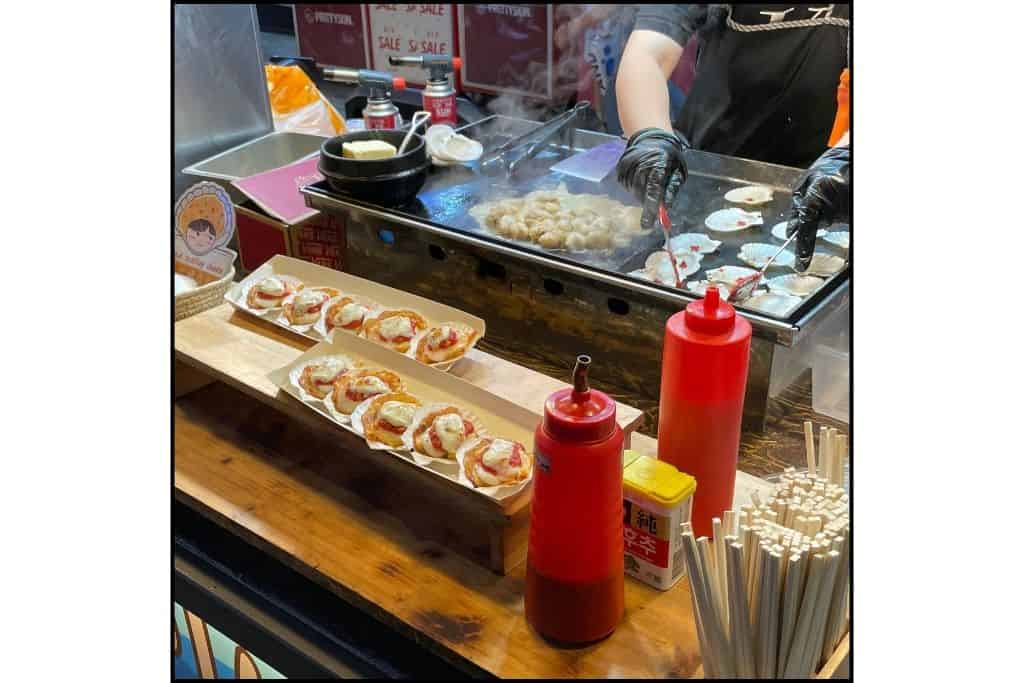
It’s touristy, and prices can run higher here than at other markets, so it’s not really where locals shop.
Still, for a first Seoul trip, it’s worth an evening.
I actually recommend basing yourself in Myeongdong if you can. It’s central and puts you within walking distance of a lot of what’s on this list.
Our where to stay in Seoul guide goes into more detail on why.
Surrounding the market are shops selling Korean skincare, cosmetics, fashion, and affordable souvenirs such as socks, K-pop merchandise, and trinkets.
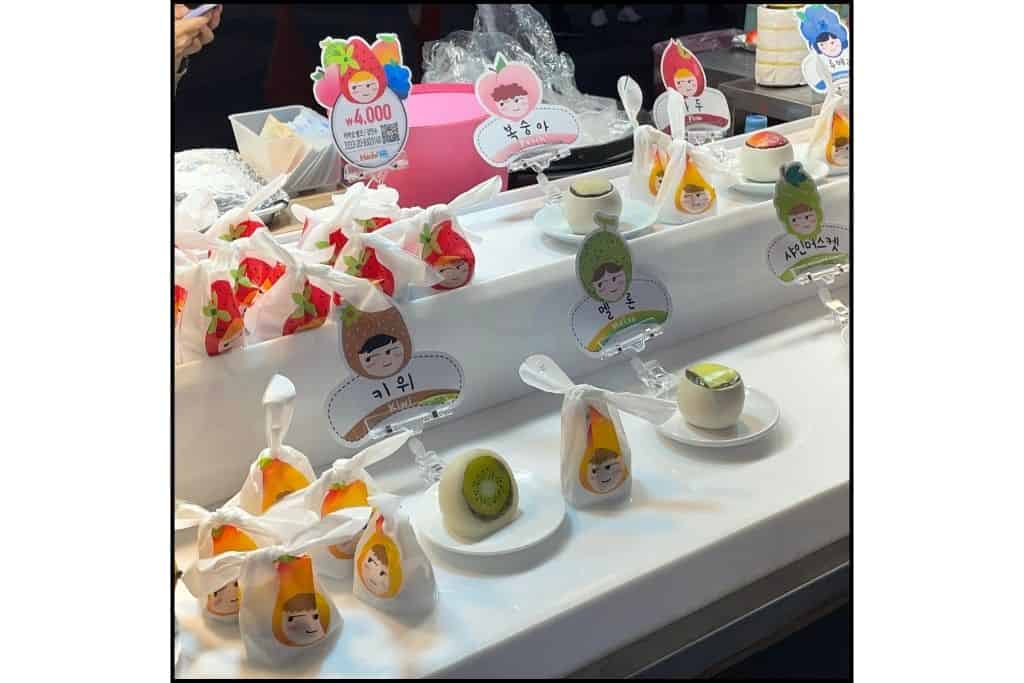
I found it easy to browse and shop even without speaking Korean, as many vendors are used to visitors, and prices are usually clearly marked.
When to Go: Shops generally open around 11 a.m. Street food stalls start setting up as early as noon, with most in full swing by early evening, and close around 9 to 10 p.m.
Hours:
- Shops: open around 11 a.m. and close around 10 or 11 p.m.
- Street food stalls: start setting up as early as noon, in full swing by early evening, close around 9 to 10 p.m.
Gwangjang Market
Best for: Traditional Korean street food, Netflix-famous dishes, and a true sit-with-locals market experience
Directions: Jongno 5-ga Station, Exit 7, walk straight, and the entrance is on your right.
Or take Euljiro 4-ga Station, Exit 4, walk across the Cheonggyecheon Stream, and the entrance will be on your right.
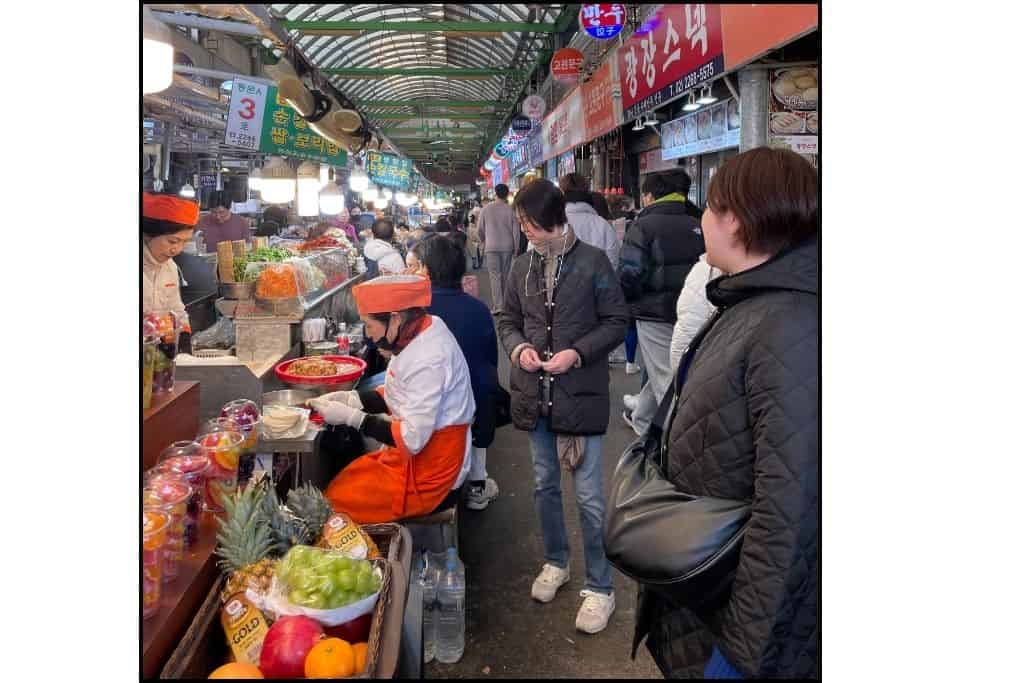
Gwangjang Market, founded in 1905, is known as Korea’s first permanent market.
While it originally focused on textiles, it has evolved into a popular food destination, especially after being featured on Netflix’s “Street Food.”
Some of the standout dishes include Mayak kimbap (nicknamed “addictive” kimbap), mung bean pancakes, and various traditional Korean street foods.
It’s a great place to sit shoulder to shoulder with locals and visitors while watching dishes made fresh in front of you.
Gwangjang made headlines in 2026 after a vendor was caught charging tourists more than locals for bottled water, prompting Seoul to roll out a street-vendor real-name system and begin inspections across the market.
Prices have gotten more consistent since, but it’s still smart to confirm the cost before you order.
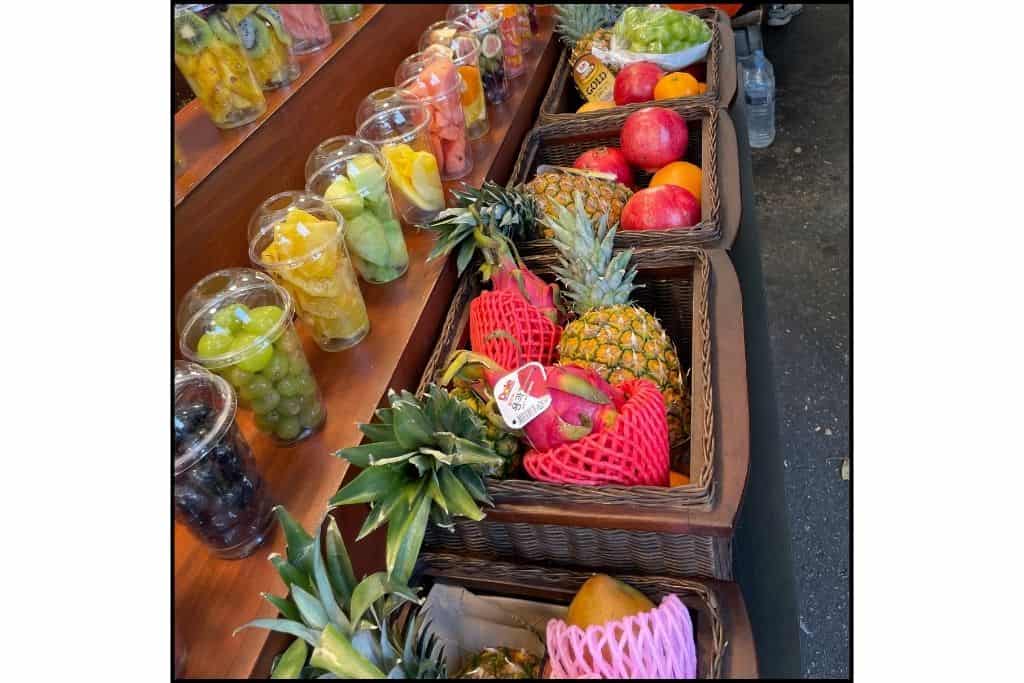
Despite the crowds and attention, Gwangjang continues to be a lively hub for Seoulites, tourists, and even chefs from around the world.
Hours:
- Shops: 8:30 a.m. – 6:00 p.m.
- Restaurants/Food Stalls: 8:30 a.m. – 11:00 p.m.
- Some stalls are closed Sundays.
Noryangjin Fish Market
Best for: Fresh seafood picked straight from the tank and cooked on the spot
Directions: Take the subway to Noryangjin Station, Exit 8.
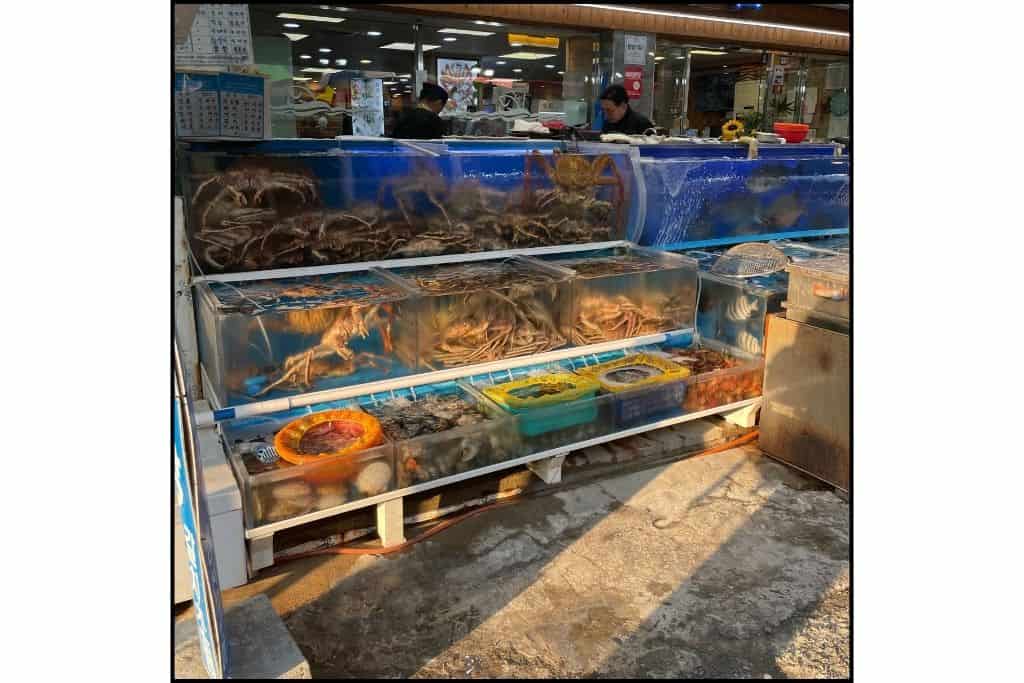
Noryangjin Fish Market is one of Seoul’s largest seafood markets and a unique stop if you’re interested in Korea’s fishing and food culture.

Noryangjin Fish Market is one of Seoul’s largest seafood markets and a unique stop if you’re interested in Korea’s fishing and food culture.
The market actually runs on different hours depending on the section: the High Class fish area is open 24 hours, while the General, Frozen, and Shellfish sections close around 10 p.m.
One of the most popular experiences here is picking out fresh seafood and having it cooked on the spot.
After making a selection, you can take it to one of the market’s restaurants, where it will be prepared for you, a great way to try raw fish, grilled shellfish, or spicy stews.
Hours:
- High Class fish market: open 24 hours
- General Market: 1:30 a.m. to 10 p.m.
- Frozen Market: 3:30 a.m. to 10 p.m.
- Shellfish Market: 1 a.m. to 10 p.m.
- Fish auctions: around 3 a.m. for the full experience
Gyeongdong Market
Best for: Traditional Korean medicine, herbs, and one of the most photogenic, least touristy markets in Seoul
Directions: Take Subway Line 1 to Jegi-dong Station, Exit 2. The market is directly accessible from the exit.
Gyeongdong Market, located in the Cheongnyangni neighborhood, is one of Seoul’s most traditional markets, packed with roots, herbs, mushrooms, dried produce, and locally made goods like sesame and perilla oil.

It’s connected to Yangnyeongsi, one of Korea’s most famous oriental medicine markets, where entire streets are lined with shops selling ginseng, medicinal roots, and herbal remedies.
Inside Yangnyeongsi is the Seoul K-Medi Center, a government-run museum and wellness space where you can try a medicinal foot bath for 6,000 won.
It’s first-come, first-served with set time slots throughout the day, using seasonal herbs like wormwood or chrysanthemum.
Hours:
- Traditional market: 4 a.m. to 7 p.m. daily, closed on Seollal and Chuseok
- Yangnyeongsi medicine market: 9 a.m. to 7 p.m., closed Sundays
- Seoul K-Medi Center: 10 a.m. to 6 p.m. (March through October), 10 a.m. to 5 p.m. (November through February), closed Mondays
Taking the KTX and need tickets? Book your KTX train tickets early with Trip.com!
Explore Seoul’s Small Markets
If you’re looking for a more local experience, Seoul’s neighborhood markets offer a slower pace and cozy atmosphere, more like a farmer’s market than a tourist attraction.
You’ll find fresh produce, street food, and everyday goods like clothing, kitchenware, and household items, all without the crowds of the larger markets.
Mangwon Market
Best for: Fresh produce, groceries, and a genuine neighborhood market feel without the tourist crowds
Directions: Take the subway to Mangwon Station, Exit 2. Turn right, and it’s about a 5-minute walk to the entrance.
Mangwon Market, a traditional market tucked away in the Mangwon-dong neighborhood of Mapo District, has served locals for decades and is far less touristy than Seoul’s larger markets
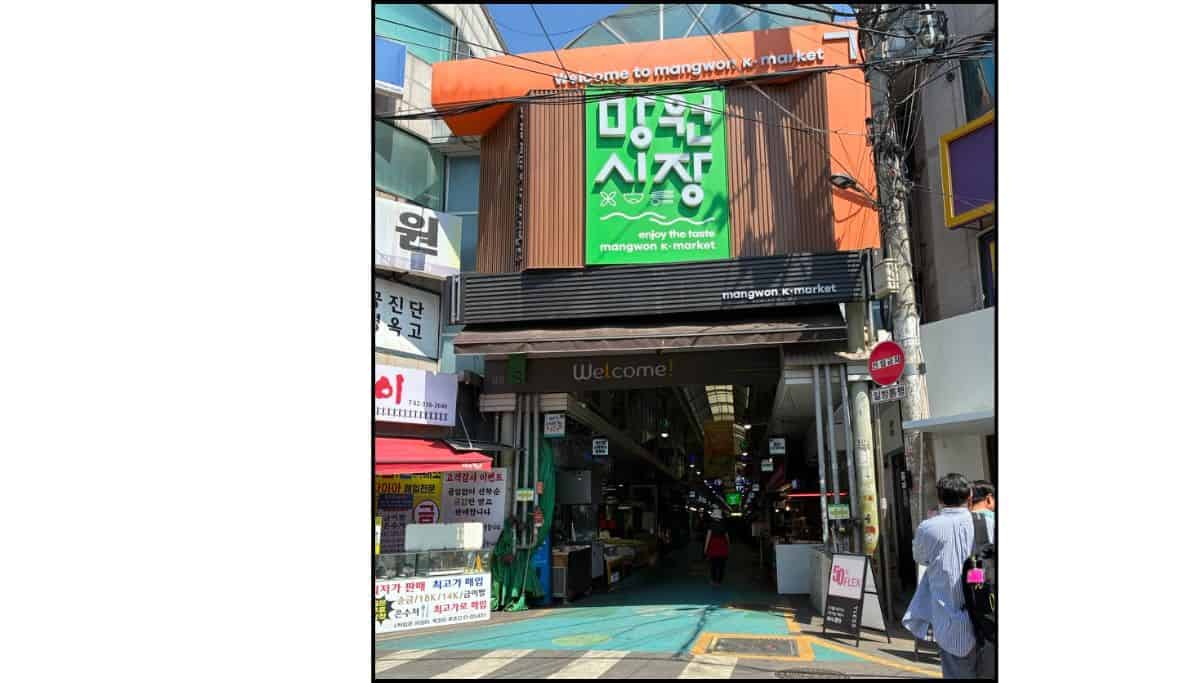
You’ll find fresh produce, meat, seafood, and traditional Korean ingredients like tteok (rice cakes) and pickled goods.
In addition to groceries, Mangwon has vendors selling clothing, home goods, and handmade items like soap and snacks.
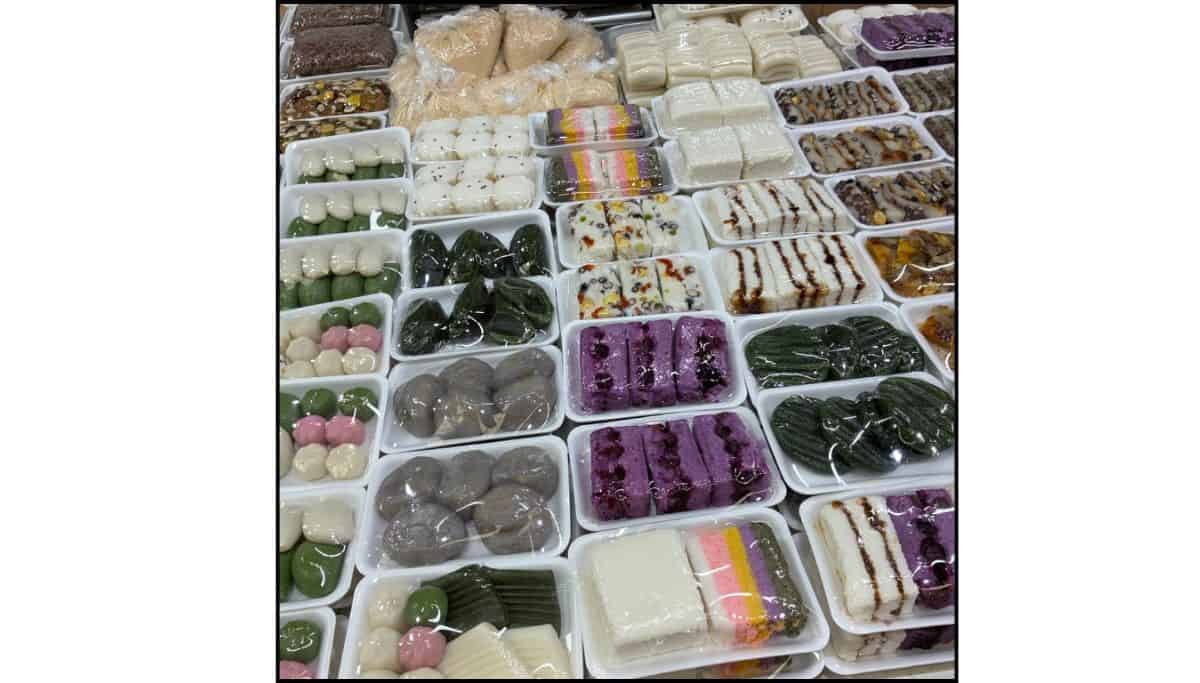
When I visited, I grabbed some cheap street food on the grocery side of the market.
Mangwon seems to be split into two halves, with a second section across the street.
It was a hot day, so I stuck to the side I was already on, but if you’ve got the energy, it’s worth checking out both.
Hours: Open from early morning until around 10 p.m., with afternoons and weekends the busiest.
Tongin Market
Best for: The Dosirak Café’s build-your-own lunchbox experience with traditional brass coins
Directions: Take the subway to Gyeongbokgung Station, Exit 2. Walk about 145 meters and bear left at the Hyundai Butcher shop.
Buses 7025, 1711, and 109 also stop near the market.
Located near Gyeongbokgung Palace, Tongin Market is a small traditional market established in 1941.
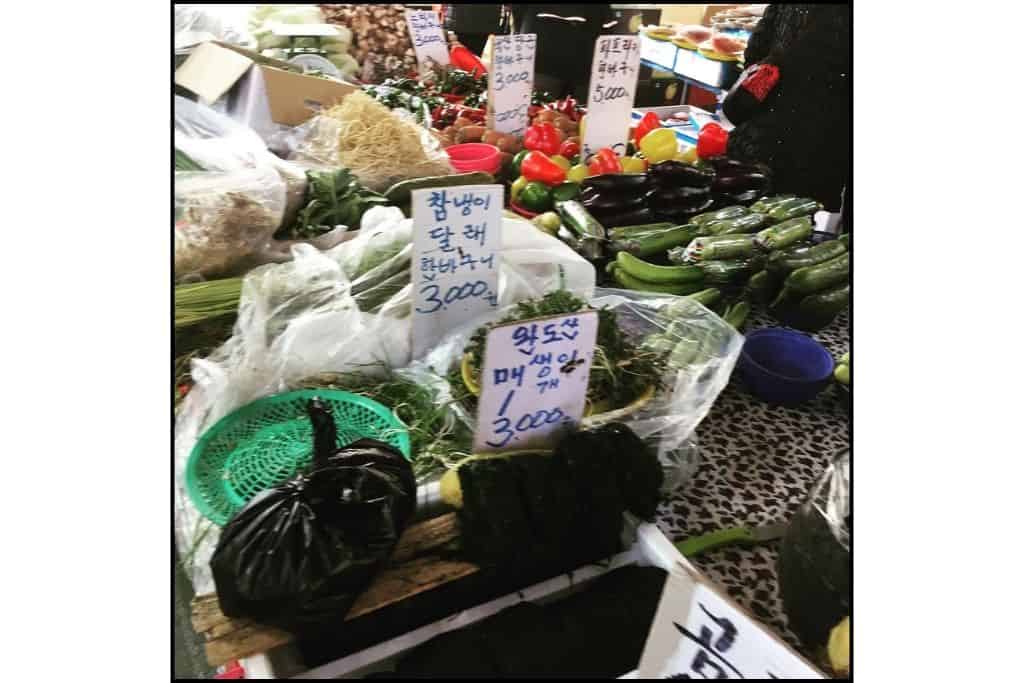
While compact, it’s a popular stop for both locals and travelers.
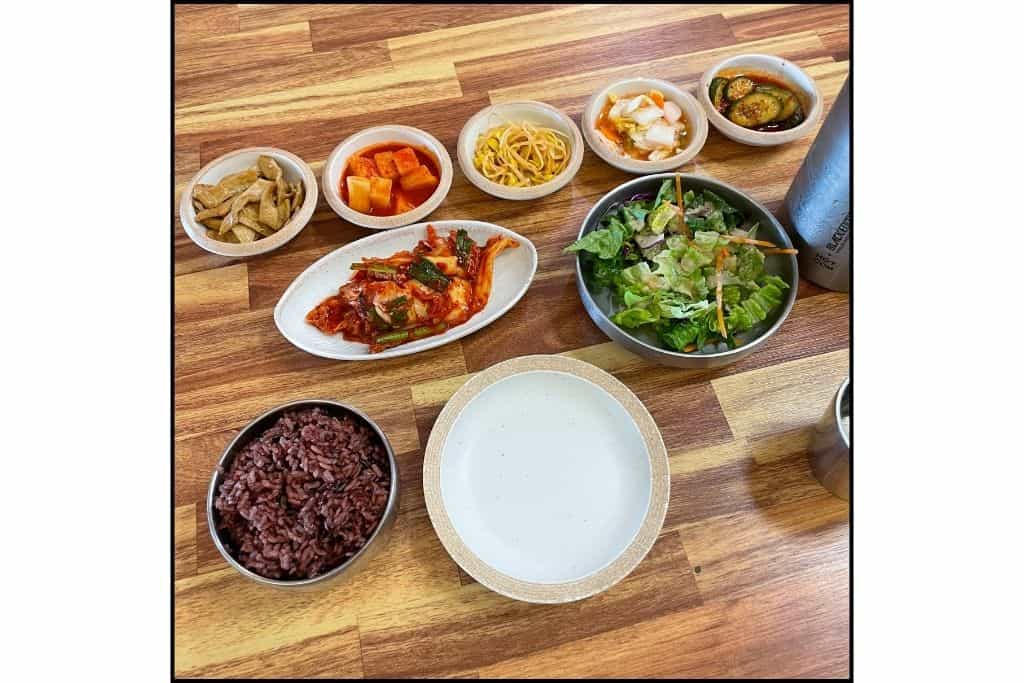
Tongin is best known for its Dosirak Café experience, where you can create your own lunchbox using traditional brass coins called yeopjeon.
For around 5,000 KRW, you get about 10 to 12 coins to spend at participating food stalls on dishes like rice, banchan (side dishes), fried snacks, kimchi, and fish cakes.
After collecting your picks, you can enjoy your meal in the market’s communal dining area.
Beyond the dosirak, you’ll also find handmade crafts, clothing, and small souvenirs.
Hours:
- Dosirak Café exchange: Tuesday through Sunday, 10:30 a.m. to 2:30 p.m., closed Mondays
- Closes early once food runs out, so arrive early on weekends
Geumnam Market
Best for: Jokbal, fish cake skewers, and an unpolished, pre-Korean War market that hasn’t changed much
How to Get There: Take the subway to Geumho Station, Exit 1. It’s about a 500-meter walk along Geumho-ro.
Geumnam Market has existed in Geumho-dong since before the Korean War, and the surrounding area still holds onto that older character even as the rest of the neighborhood has been redeveloped.
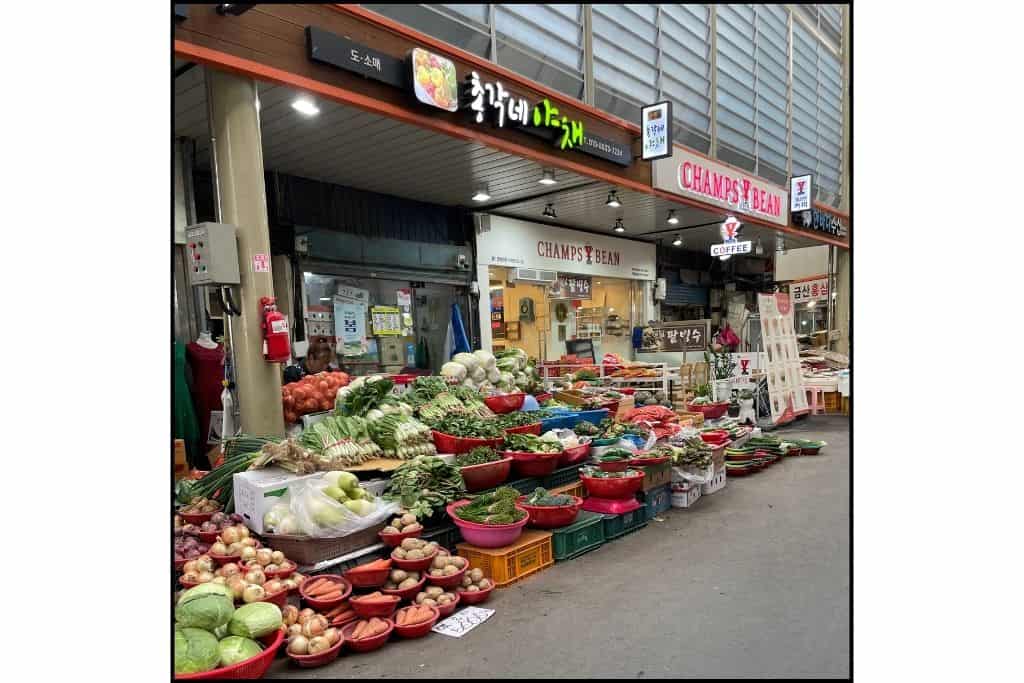
You’ll find a mix of fresh produce, home-style Korean street food like jokbal (pig’s feet) and fish cake skewers, handmade items, local ingredients, and daily necessities.
It’s the kind of place where residents shop regularly, practical rather than polished, with none of the crowds of the larger markets.
Hours: Monday through Saturday, 9 a.m. to 8 p.m., closed Sundays
Norunsan Market
Best for: A no-frills, residential neighborhood market with little tourist traffic
Directions: Take the subway to Konkuk University Station, Exit 5. Walk along Achasan-ro, turn left onto Dongil-ro, and look for the market just before the overpass.
Located near Konkuk University Station in Gwangjin-gu, Norunsan Market sits in a residential part of Seoul, well outside the usual tourist circuit.

This traditional market features a variety of stalls selling fresh produce, seafood, meats, and everyday essentials like household goods.
It’s a popular spot among locals and a solid option if you’re nearby and want a no-frills market experience without a crowd.
Hours: Most stalls open from around 9 a.m. to 8 p.m., though exact hours vary by vendor.
Yeongdong Market
Best for: Comfort food like soondae-guk and a quiet, local alternative to Gangnam’s flashier spots
Directions: Take the subway to Sinnonhyeon Station, Exit 1. It’s about a 670-meter walk to the market. Hakdong Station (Line 7) is another nearby access point.
Yeongdong Market, established in 1975, sits in a quieter part of Gangnam’s Nonhyeon-dong neighborhood.
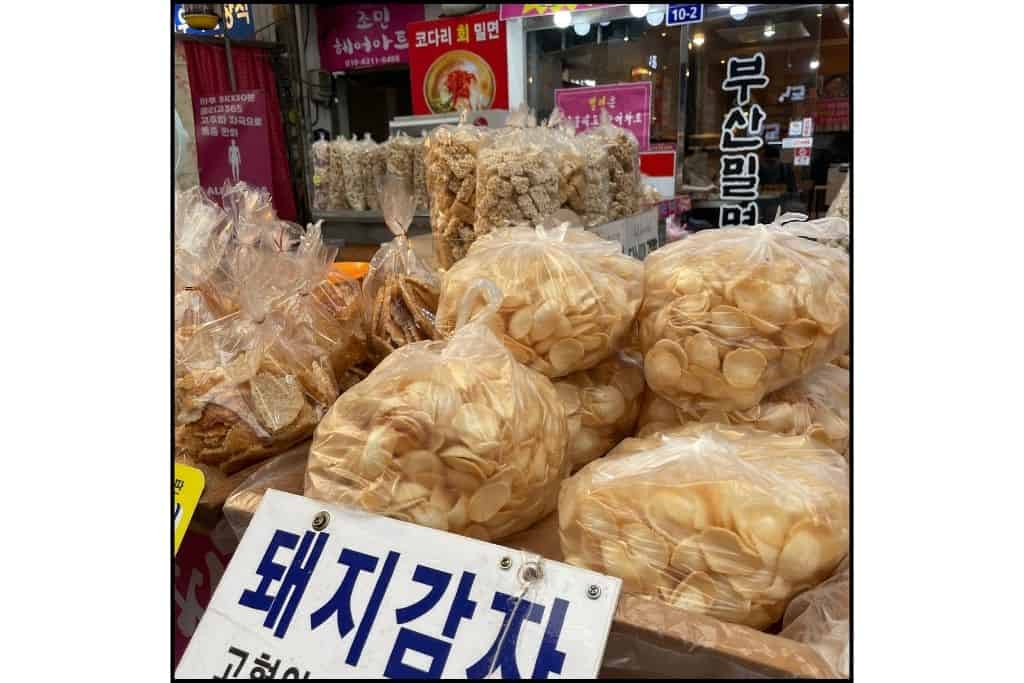
You’ll find stalls selling fresh produce, dried fish, kimchi, and specialty ingredients like rice, beans, and sauces.
It’s also a great place to try comfort food like soondae-guk (blood sausage soup) or sweet rice pancakes from casual food stands.
Though small and low-key, it’s a solid break from Gangnam’s flashier tourist spots if you’re staying in the area.

Hours: Open during the day and into the early evening, with some food stalls staying open later.
Tips and Pointers For Visiting Traditional Markets In Seoul
- Carry Cash – Many vendors still prefer cash, especially at traditional markets. Bring smaller bills and coins for quick transactions.
- Eat Near the Vendor – At night markets like Myeongdong, trash cans are hard to find. Most vendors will take care of your wrappers or skewers, just eat nearby and hand it back when you’re done.
- Haggle (Sometimes) – Polite bargaining is fine in some markets like Namdaemun, especially for clothing or souvenirs. Don’t try to haggle over food; prices are fixed and sometimes posted.
- Bring a Tote Bag – A reusable tote is eco-friendly and convenient for carrying your finds.
- Check Hours and Specialties – Every market has different hours and specialties. A little planning goes a long way; some places are best during the day, others shine at night.
- Look for Seasonal Events – Some markets host seasonal festivals, themed food stalls, or local celebrations. Check online or keep an eye out for banners on-site.
- Visit at the Right Time – Want to avoid crowds? Go early in the day. Want full street food vibes? Evening is best at places like Dongdaemun or Gwangjang.

FAQ
There are a few options, including trains, buses, and taxis, depending on your budget and how much luggage you’re hauling. We break down all of them in our airport to Seoul guide.
Some stalls do, especially at the larger markets, but plenty of vendors are still cash-only. And paying cash is often cheaper too. Some will knock a little off the price if you pay that way. Since there’s no way to guarantee a foreign card will work at every stall, it’s safest to carry cash for market visits.
Currency exchange booths in popular areas like Myeongdong often offer better rates than banks or airports. ATMs that accept international cards are also widely available for withdrawing Korean won.
A little, but haggling is much milder than what you may be used to in SEA, and it is not generally expected when buying just one item. You may have better luck if you purchase several things from the same stall. Vendors are often more likely to lower the total price or throw in something extra for free, known as seobiseu, than to negotiate over one small purchase.
Paying in cash may also help, since it saves the vendor card processing fees. To ask politely for a discount, you can say “kkakka juseyo” (깎아주세요).
Haggling is not appropriate at department stores, chain supermarkets, or convenience stores. It is mainly limited to certain traditional markets and independent stalls.
Namdaemun Market is the oldest on this list, dating back to the 15th century when it was established near Namdaemun Gate (Sungnyemun). Gwangjang Market, founded in 1905, is often cited as Korea’s first “permanent” market in the modern sense, but Namdaemun’s roots go back centuries earlier.
Yes. Dongmyo Flea Market, near Dongmyo Station, Exit 3, is Seoul’s best-known flea market. It is especially busy on weekends, when vendors spread secondhand clothing, shoes, antiques, and vintage finds along the street.
It is especially busy on weekends, when vendors spread secondhand clothing, shoes, antiques, and vintage finds along the street. It is worth visiting if you enjoy bargain hunting or searching for unusual finds. It’s open daily from 10:00 AM to 6:00 PM
Yes, especially in places like subways, tourist areas, and major roads. Markets and smaller shops may not have English signs, but translation apps and friendly locals make it easy enough to navigate.
The easiest way is to use an eSIM. You can activate it before your trip and have mobile data as soon as you land. I’ve used this Korea eSIM with SKT myself, and South Korea has excellent mobile coverage, so you’ll stay connected throughout the city.