

If you’re visiting Korea, chances are you’ll be riding the subway, and probably the bus too. The public transit system is clean, fast, and easy to use, especially with a T-Money card.
It works on all subways, buses, and even some taxis.
You can grab one at any convenience store, load it with cash, and start tapping. No app. No registration. No hassle. No expiration.
I’ve used the same one since 2019. I usually leave a few thousand won on it so I have a reason to come back.
Here’s everything you need to know about how to use a T-Money card in Korea, including where to buy it, how much to load, and why it’s one of the easiest ways to get around Seoul, Busan, and beyond.
Need KTX Train Tickets? 👉 Book your tickets here to reserve your seat in advance with Trip.com.
TL;DR – Do You Need a T-Money Card in Korea?
- Yes. It’s the easiest way to pay for buses and subways in Korea.
- Buy one at any convenience store like GS25 or CU.
- Load it with cash (₩10,000–₩20,000 is a good start).
- Works across Korea, in cities including Seoul, Busan, and Jeju.
- One card per person.
- Doesn’t expire, so you can reuse it on future trips.
- No apps or setup required. Just tap and go.
What Is a T-Money Card?
A T-Money card is a rechargeable Korean transportation card used throughout South Korea.
This contactless card works on subways, buses, some taxis, and even at convenience stores like CU, GS25, and 7-Eleven.
Tourists love it because it saves time and makes getting around Seoul, Busan, and other Korean cities simple.
Why Travelers Use a T-Money Card
Korean buses no longer accept cash, but you can technically buy single-ride tickets at Seoul subway machines.
It’s definitely more convenient to use a T-Money card.
You’ll save time, avoid language barriers at the ticket machines, and even get small fare discounts.
Most travelers use a T-Money card because it works across subways, buses, and some taxis in Seoul, Busan, and other Korean cities.
You can always ask the taxi if they accept it, or look for the Tmoney logo on the payment terminal.
So, unless you’re only taking one or two rides total, it’s absolutely worth getting.
Where to Buy a T-Money Card in Korea
You can buy a T-Money card at:
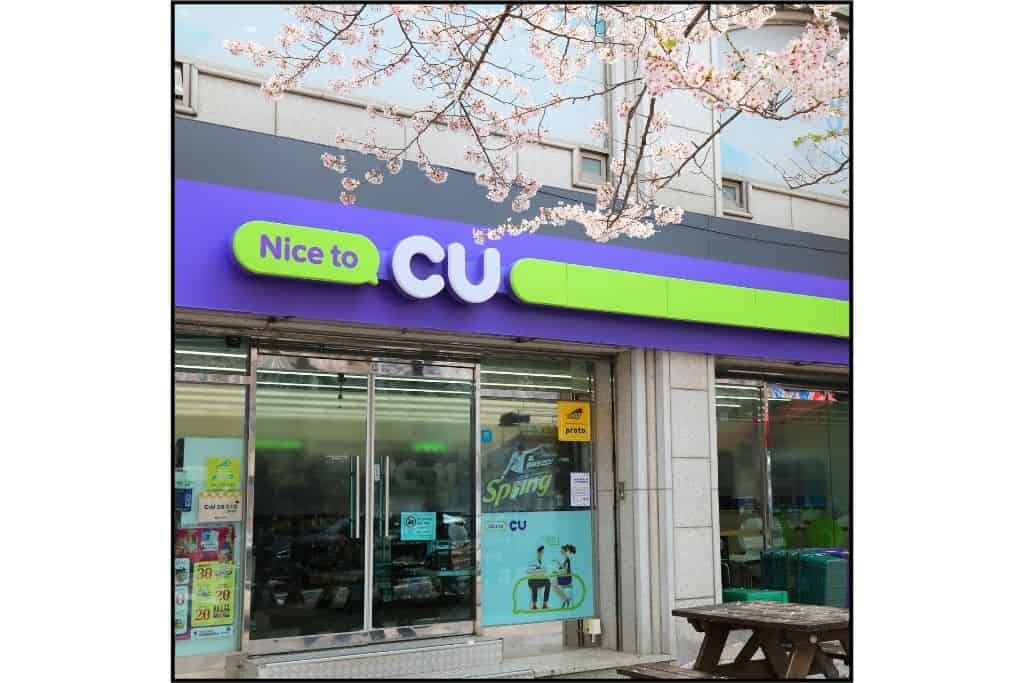
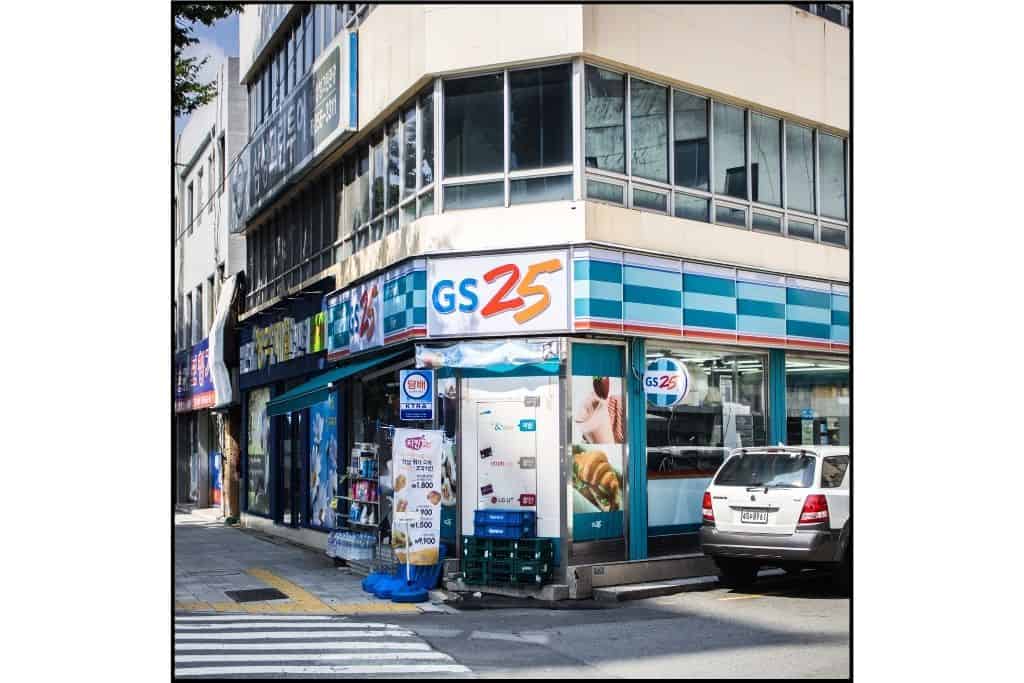
- Convenience stores like GS25, CU, 7-Eleven, and emart24
- Subway station at the vending machines
- Airports including Incheon and Gimpo at the vending machines or convenience store
The card usually costs between ₩2,500 and ₩4,000. This is just for the card itself. You’ll still need to load it with money.
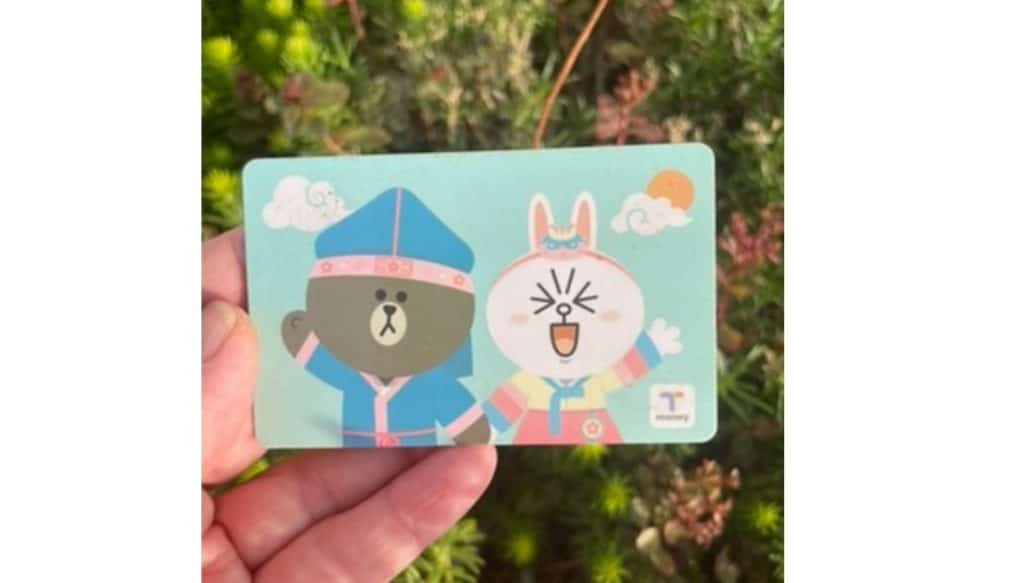
You can choose fun versions with Kakao Friends or touristy designs. They all work the same way.
How to Load Money on a T-Money Card
You can recharge your T-Money card at any subway station machine or convenience store counter.
Just a heads-up! You’ll need to use cash. Cards won’t work for reloading.
Wondering how much to load? Here’s a quick breakdown:
- A Korean subway ride usually costs about ₩1,550 (Korean won)
- Early morning rides (before 6:30 AM) may be a little cheaper, around ₩1,240
Korean bus fares start around ₩1,400, with a small extra charge for longer distances.
I usually load ₩20,000 or more at a time, so I don’t have to think about it for a few days.
Every time you tap your card on the subway or bus, your remaining balance shows on the screen.
It’s how I keep track of my balance and know when to reload my T Money card.
Pro tip: If you’re only in Korea for a short trip, ₩10,000 to ₩15,000 might be enough to get started, but having extra won’t hurt. You can always use the leftover balance at a convenience store or save the card for your next visit.
How to Use Your T-Money Card on Subways and Buses
Using the T-Money card is simple:
Subways:
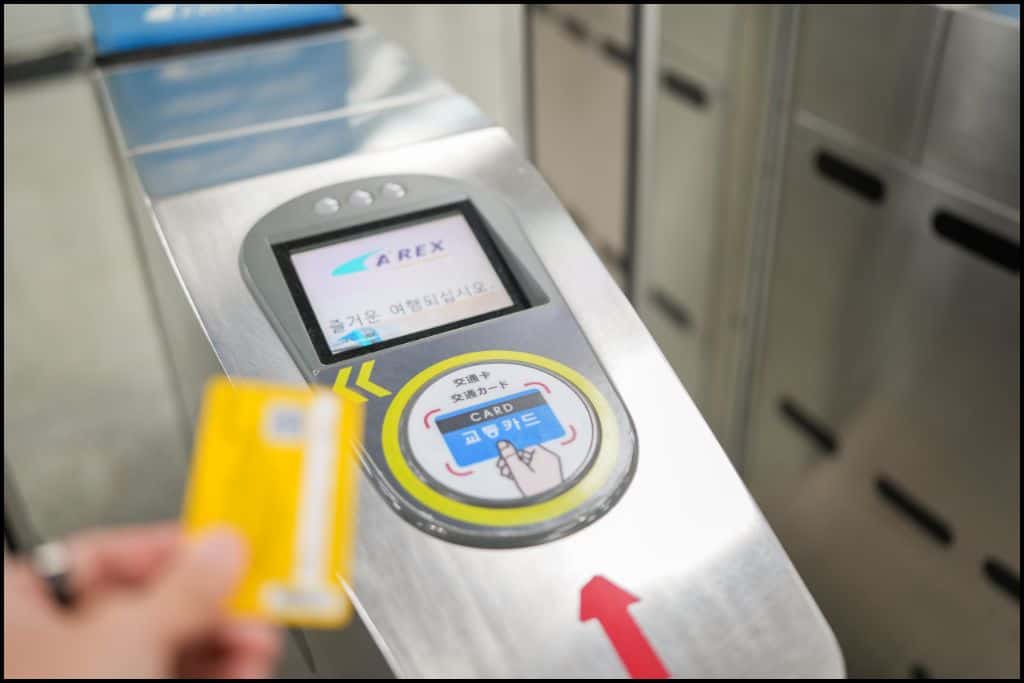
Tap your card at the gate or turnstile when you enter the station, then follow signs to your subway line. Tap again when you exit the turnstyle at your destination.
Buses:
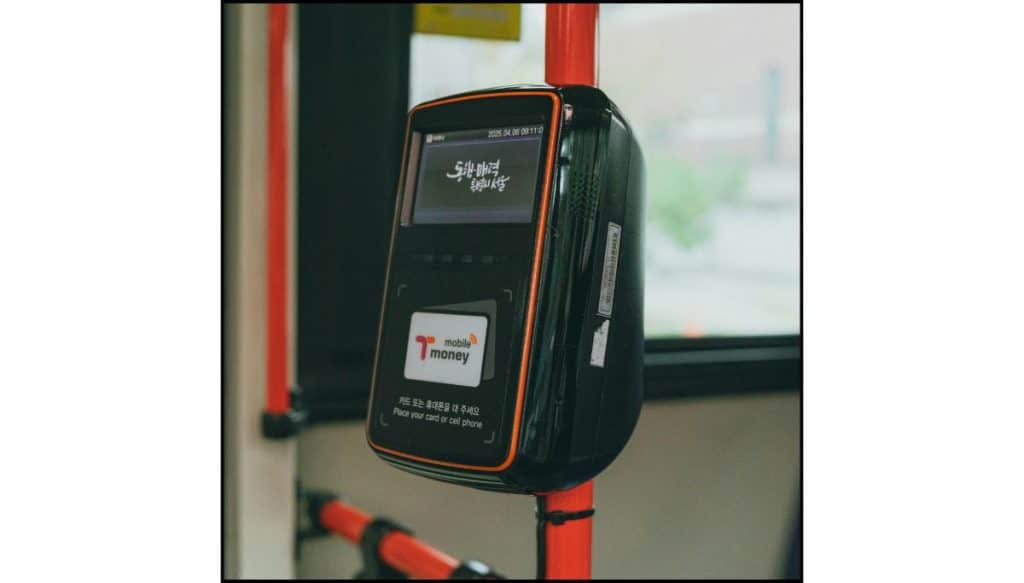
Tap when boarding and again when getting off.
Taxis:
Some taxis accept T-Money. Look for the TMoney logo on the payment terminal. If in doubt, ask or show the card to make sure they take it.
The card works in cities across South Korea, from major metros like Seoul and Busan to smaller towns’ bus systems throughout the country, like Pohang and Yeosu.
Staying connected in Korea is a lot easier with a SIM card or eSim
👉 Grab your SKT Unlimited Local Data & Voice Calls Sim Airport Pick up HERE
OR
Grab your Korea eSIM with SKT Unlimited LTE data + Voice
Can I Use Apple Pay with a T-Money Card in Korea?
T-Money is now officially available in the Apple Wallet, but only for Korean residents with local bank accounts and ID verification.
Tourists can’t use Apple Pay with T-Money yet.
The goal is to create a system like Japan’s Suica card, where you can tap your iPhone or Apple Watch at subway gates and on buses.
That kind of setup would be a game changer for travelers, but it hasn’t rolled out for international visitors.

Alternatives to T-Money
You’ll probably see other transit cards while you’re in Korea. Here’s how they compare.
Climate Card
Climate Card offers unlimited rides on Seoul’s buses and subways for a set number of days, but it’s more restrictive than a T-money card.
It only works within Seoul’s transit network, requires an Android app and Korean bank card for mobile use, and has a registration process feels geared toward residents.
Unless you’re staying in Seoul for an extended period and riding transit multiple times per day, the T-money card is far easier to buy, top up with cash, and use nationwide.
I haven’t personally used the Seoul Climate Card, but after looking into the requirements and setup process, it seems unnecessarily complicated for short-term visitors. The T-money card remains the simplest option for most travelers.
Official Climate Card details here
Cashbee Card
Cashbee is another transportation card that works almost exactly like T-Money. You can use it on subways and buses throughout Korea, and it also offers transfer discounts.
You can find it at any convenience store. You add cash to it, just like you do with the T-Money card, either at a convenience store or a ticket vending machine at the subway station.
One small difference: Cashbee is run by Lotte, so it can also be used at Lotte-affiliated stores like Lotte Mart, Lotte Department Store, and Lotte Cinema.
Price: ₩2,500 (same as a basic T-Money card)

Namane Card
Namane is a customizable prepaid card that works for transportation and shopping. It’s more of a “tourist experience” card.
You can print your name or photo on it and use it like a debit card.
It can only be purchased at a Namane Kiosk around Seoul. To load money on it, you also need to use the Namane Kiosk with cash, possibly a card.
It’s cute and fun, but not as practical for quick trips. I personally would not recommend it.
WOWPASS
WOWPASS combines a T-Money-style transit card with a foreign currency exchange wallet.
It’s marketed toward tourists who want to skip currency exchanges and just load money on a card. You can use it at shops and for public transport, but you can’t use it at ATMs, and refunds may be a hassle.
Want the full scoop on WOWPASS and why I don’t recommend it? I break it down in this guide to money mistakes in Korea.
T-Money Card FAQ for Tourists
No. One card per person is all you need. Just load it with cash and use it throughout your trip.
If you forget to tap your card when getting off, your T-Money will be charged the full fare for the route. So, the next time you ride, the system may deduct a bit more to correct it. It’s not the end of the world, but it’s best to always tap off to avoid overpaying.
Yes. The same T-Money card works across Korea, in the big cities and smaller towns.
Yes, at many convenience stores like CU, GS25, and 7-Eleven. Just tap at checkout like you would for transit. Not every shop accepts T-Money, but most chains do. It’s handy for small purchases when you don’t want to pull out cash.
You can spend the remaining balance at convenience stores, or just hang onto the card for your next trip (it doesn’t expire). If you have more than ₩20,000 left, you can request a refund at most convenience stores. They’ll deduct a ₩500 service fee and return the rest in cash.
Technically, yes, on buses. You’d need to tell the driver so they can charge for two fares, which can be tricky due to language barriers or during busy times. Transfers and discounts might not apply correctly either. It’s easier if each person has their own card.
Yes. T-Money cards aren’t registered to a person, so you can lend yours to a friend or reuse it on another trip. Just remember, only one person can use the card per ride. If you’re riding together, each person needs their own card.
Where can’t I use a TYou can’t use T-Money to tap and ride intercity trains like the KTX or regular long-distance trains (ITX, Mugunghwa, etc.). It also won’t work to board intercity (buses going from city to city), though some terminals may let you pay for the ticket using T-Money.Money card
No. Those are separate cards aimed at tourists, often with extra features and higher costs. If you’re just using public transportation, a basic T-Money card is all you need.
Yes, there’s a T-Money app. But it’s not designed for tourists. You’ll need a Korean phone number, and in some cases, an Alien Registration Number (ARC) or a local bank account to use all its features.
Final Tips for First-Time Visitors
- ✅ Buy one card per person
- ✅ Bring cash to load the card
- ✅ Keep it for future trips (it doesn’t expire)
- ✅ Use it on subways, buses, some taxis, and at convenience stores
- ✅ Avoid tourist card confusion and use the simple T-Money card
Bottom Line
The T-Money card is the easiest way for tourists to pay for transportation in Korea.
You don’t need a new card for each ride, just one loaded with a bit of cash.
Once you’ve used it, you’ll wonder why anyone ever tried to travel without it.
What’s Next for Your Korea Trip?
Now that you know how to use a T-Money card, make the rest of your trip just as easy. Here are a few guides to help you plan:
Use your T-Money card like a pro, and explore Korea with confidence.