Wander S Korea may contain affiliate links. If you make a purchase using one of the links below, we may receive compensation at no extra cost to you. We only recommend products and services we use and trust. Read our disclaimer for more information.
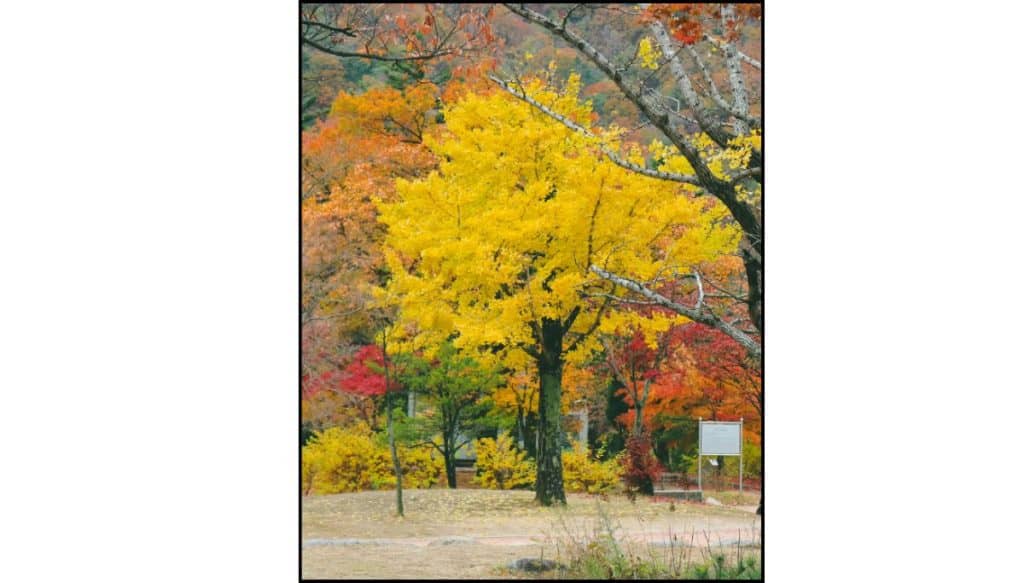
When autumn arrives in Seoul, the city transforms into a breathtaking canvas of gold, crimson, and amber.
From royal palaces draped in maple leaves to modern parks carpeted in fallen ginkgo, Seoul offers some of Korea’s most stunning and accessible fall foliage.
Having lived near Seoul myself, I can tell you the best fall colors are often just a subway ride away, no crowded day trip required
In this guide, we’ll explore Seoul’s top fall foliage destinations, from subway-accessible palace gardens and city parks to nearby mountain trails and day trip destinations that showcase Korea’s most spectacular autumn colors.
TL;DR: Seoul Autumn Foliage Cheat Sheet
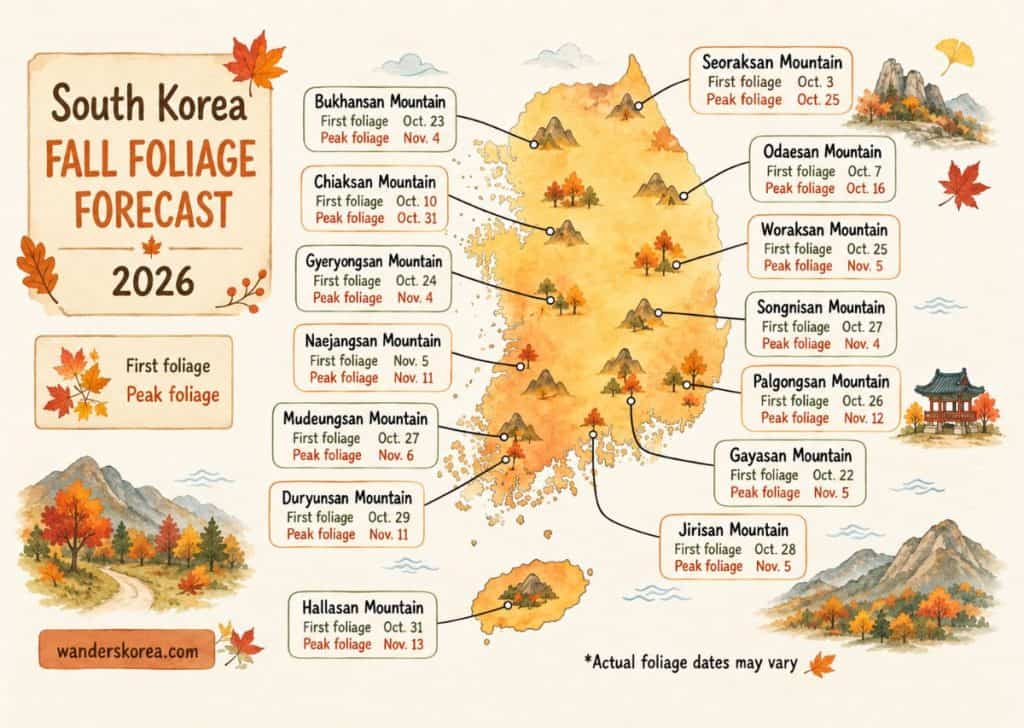
- Best time: Mid- to late October for maples and mountain trails, late October into early-to-mid November for ginkgo (Seoul Forest, Olympic Park, Namsan, and the university campuses).
- Don’t miss: Changdeokgung Secret Garden (best palace), Seoul Forest or Olympic Park (most convenient).
- Hidden gems: Try university campuses and local walks in Samcheong-dong for quiet autumn vibes.
- How to get around: Subway + T-money card = cheap & easy.
- Extra tip: Combine autumn colors with a hanbok rental or seasonal foods for a classic Korean fall experience.
Best Historical Autumn Spots in Seoul
Historic Palaces: Where History Meets Fall Beauty
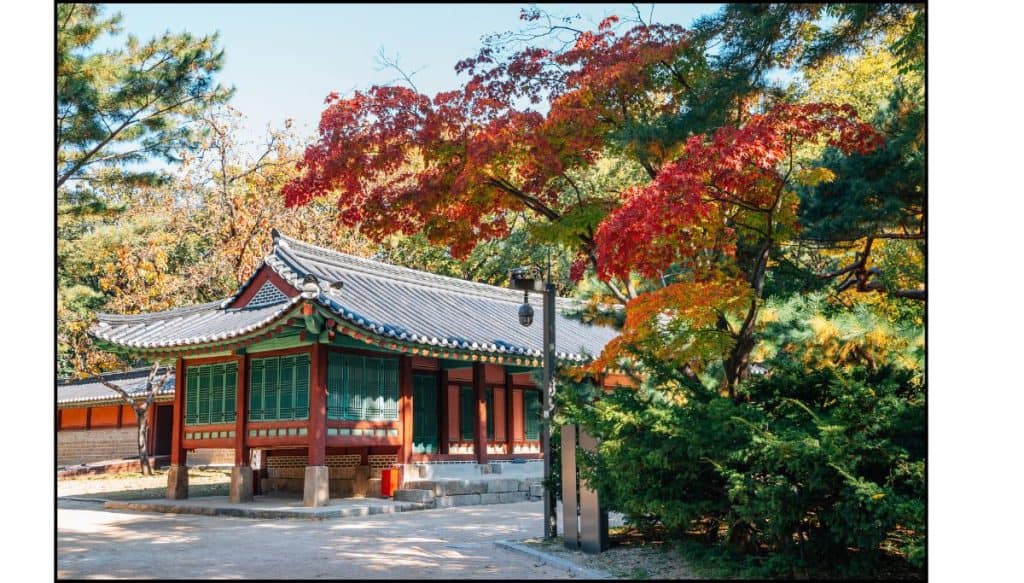
Seoul’s royal palaces are some of the best places to see fall foliage in the city, with maple, ginkgo, and persimmon trees surrounding centuries-old gates, courtyards, and traditional architecture.
I especially love the quieter palace courtyards in autumn, when fallen leaves collect along the stone paths, and the grounds feel completely different from summer.
Changdeokgung Palace & Secret Garden (Top Pick)
Changdeokgung Palace, a UNESCO World Heritage Site, is widely considered the best palace for autumn foliage viewing in Seoul.
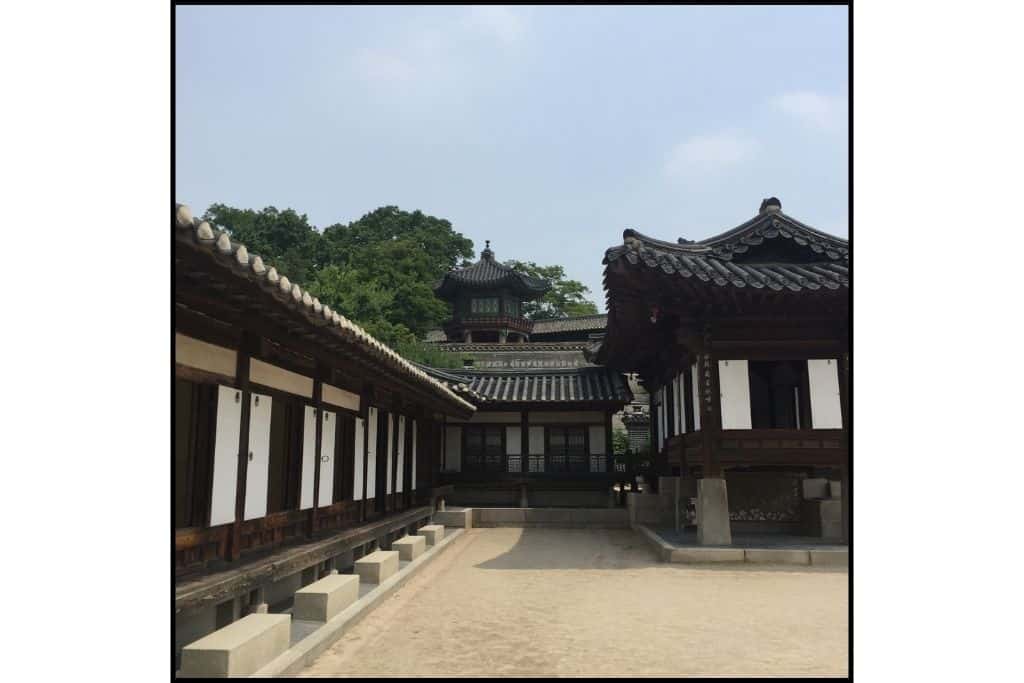
The real magic is in Huwon, the Secret Garden, where the layout was designed to blend with the surrounding nature, so the many tree species here feel fully woven into the landscape.
Look for the central pond area near Buyongjeong Pavilion, the maple grove pathways, and the view from Aeryeonjeong Pavilion over the water.
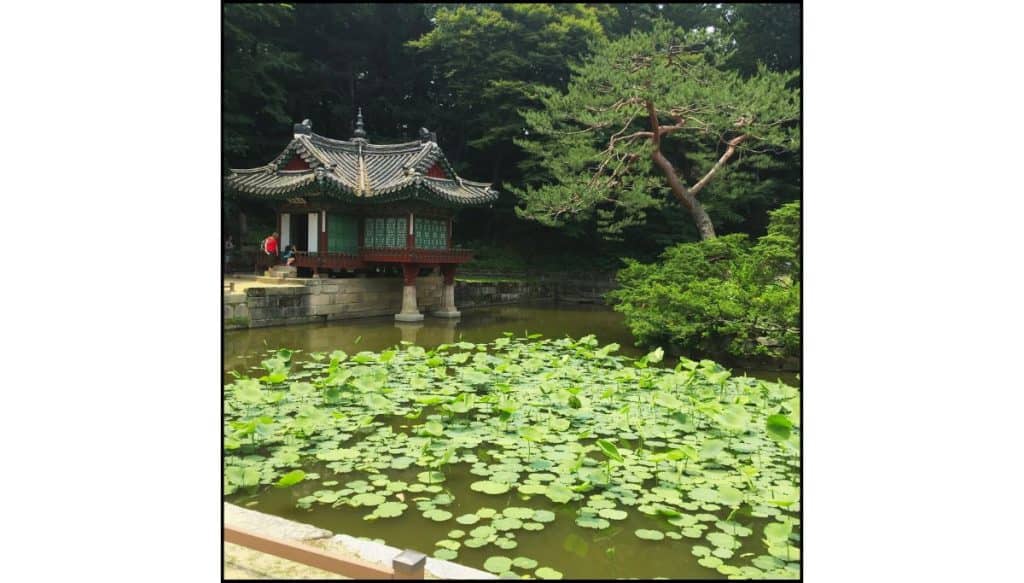
I’ve taken the Secret Garden tour before, though not in peak autumn, and it was beautiful even then, so I can only imagine it in full color.
- Getting there: Subway Line 3 to Anguk Station, Exit 3, 5-minute walk
- Important: The Secret Garden requires a separate ticket and a guided tour (available in English)
- Tour length: About 90 minutes. Advance booking is recommended during peak autumn
- Visitor tip: Expect uneven paths and some steep sections; wear comfortable shoes and allow 2–3 hours total for the palace and garden
- Free entry tip: Wearing a hanbok gives you free palace entry, but a Secret Garden ticket is still required
Check the official Changdeokgung Palace website for up-to-date hours, Secret Garden tour times, and admission details.
Gyeongbokgung Palace
As Seoul’s largest and most famous palace, Gyeongbokgung has plenty of space to wander among autumn trees, courtyards, ponds, and traditional architecture.
It’s popular with both locals and tourists, so weekends and sunny fall days can get busy.
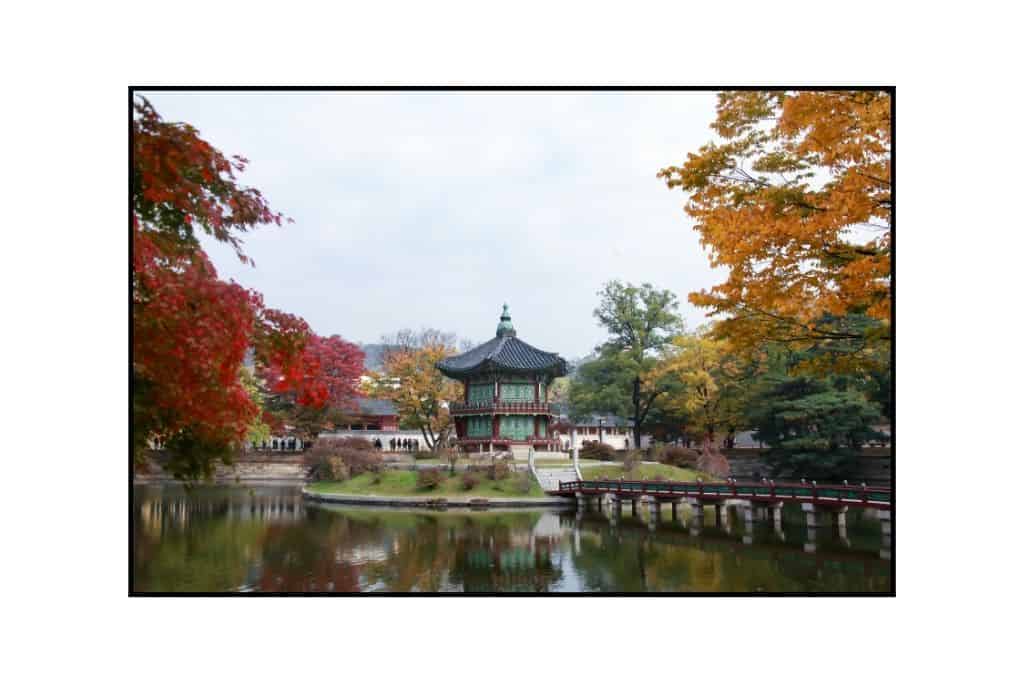
Photo spots around Gyeonghoeru Pavilion and Hyangwonjeong Pavilion are especially popular, so you may need to wait a bit for a clear view.
I’ve visited Gyeongbokgung several times, including during one of the palace’s seasonal nighttime openings, and it’s still the palace I’d recommend first if you only have time to see one in Seoul.
- Getting there: Subway Line 3 to Gyeongbokgung Station, Exit 5, for direct access to the main gate, or Line 5 to Gwanghwamun Station, Exit 2, about a 7-minute walk
- Closed: Tuesdays
- Don’t miss: The Changing of the Guard ceremony at Gwanghwamun Gate, held twice daily
- Free English tours: Offered at set times each day. I took one once and ended up being the only person on the tour, and it was definitely worth it for the extra history and details
- Allow: At least 2–3 hours if you want to explore the palace without rushing
You can check the official Gyeongbokgung Palace website for opening hours, ticket & free guided tour info, and any seasonal events.
Deoksugung Doldam-gil (Stone Wall Path)
Deoksugung stands out from Seoul’s other royal palaces because Western-style buildings sit alongside traditional Korean architecture.
In autumn, ginkgo and maple trees line the palace grounds and the surrounding stone wall path, making this one of the easiest palace areas to combine with a walk through central Seoul.
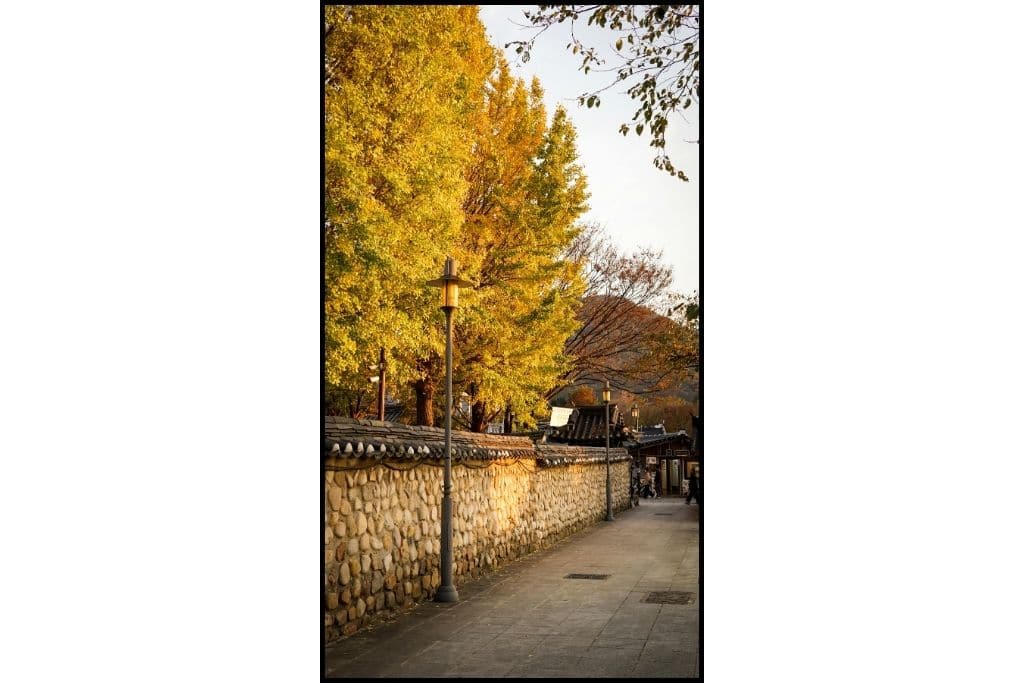
There’s also an old superstition that couples who walk the entire Stone Wall Path together will eventually break up, though that hasn’t stopped it from becoming one of the city’s favorite date spots.
- Getting there: Subway Line 1 or 2 to City Hall Station, Exit 1, 1-minute walk
- Closed Mondays (or the next business day if Monday is a holiday)
- The Stone Wall Path itself is open 24/7 with free access, even when the palace isn’t
- Nearby: Seoul Museum of Art, Jeongdong Theater, plus cafés and restaurants within a short walk
Check the official Deoksugung Palace website for up-to-date hours and any seasonal events.
Changgyeonggung Palace
Changgyeonggung Palace
Connected to Changdeokgung, this smaller palace offers beautiful autumn courtyard views with fewer crowds. The greenhouse and pond areas are especially photogenic when the leaves start turning.
- Getting there: Subway Line 3 to Anguk Station, Exit 3, about a 19-minute walk, or Line 4 to Hyehwa Station, Exit 3 or 4, about a 15-minute walk
Check the official Changgyeonggung Palace website for current hours and seasonal details.
Jongmyo Shrine: Tranquil Autumn Sanctuary
Jongmyo Shrine
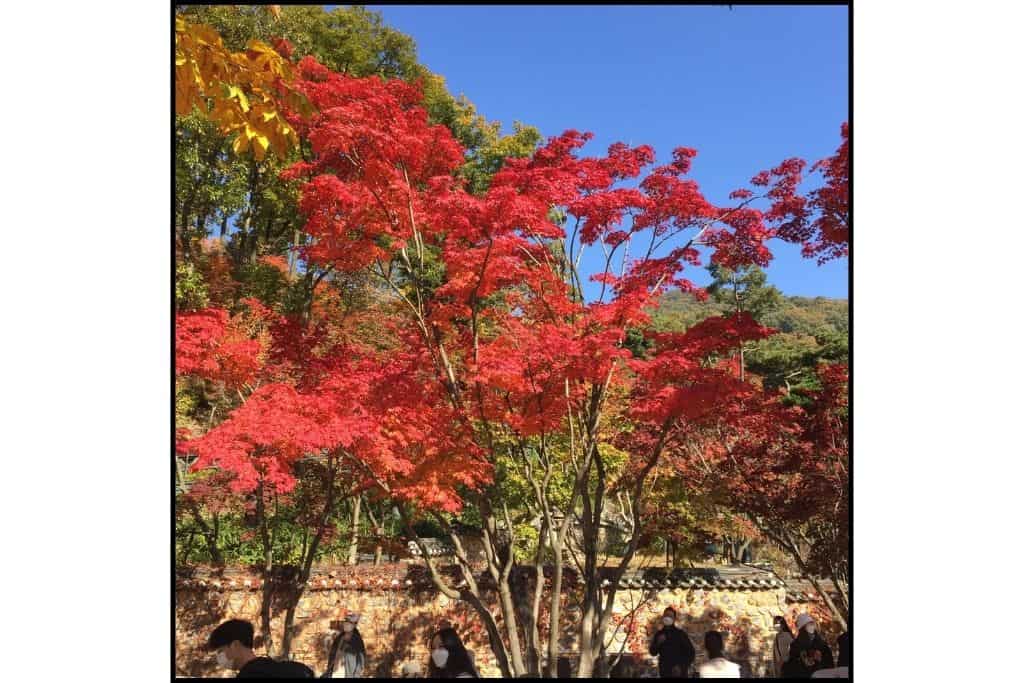
Technically a Confucian shrine rather than a palace, Jongmyo is famous for its ancient tree-lined pathways that create a quiet, peaceful atmosphere in autumn, perfect for a slow stroll.
- Getting there: Subway Line 1, 3, or 5 to Jongno 3-ga Station, Exits 8 through 11, about a 5-minute walk
- Closed Tuesdays
Check the official Jongmyo Shrine website for current hours and seasonal details.
Parks & Natural Areas: Seoul’s Green Autumn Escapes
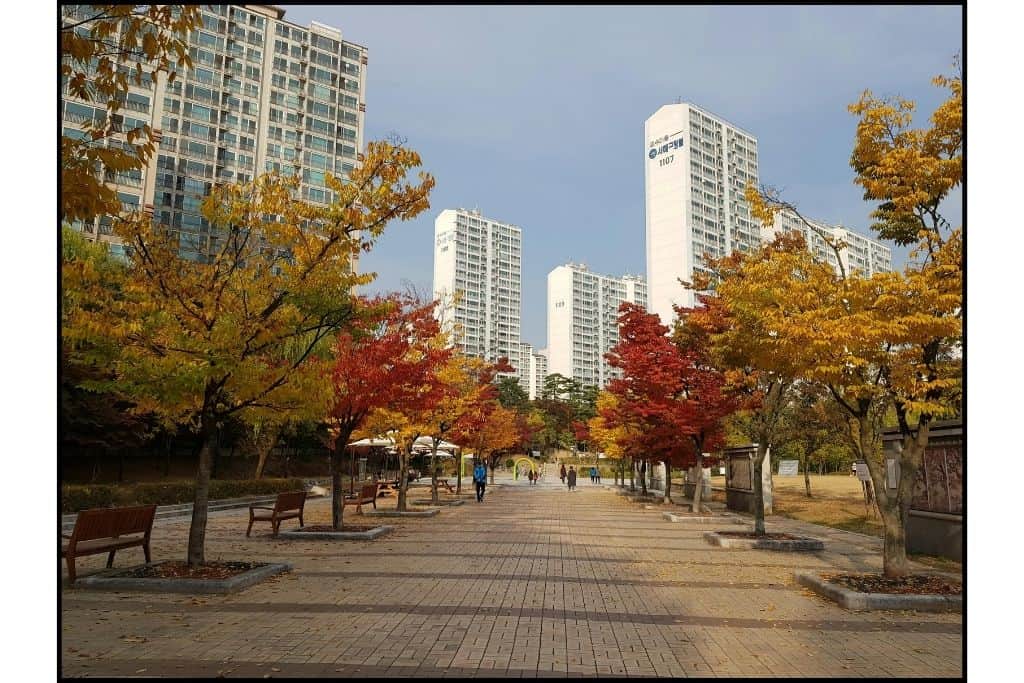
Seoul’s parks change dramatically in autumn, from urban forests to riverside walks lined with ginkgo and maple trees.
I need green space to recharge, and Seoul has far more of it than many visitors expect.
Most of these parks are an easy subway ride away and work well for a relaxed afternoon walk between busier sightseeing days.
Seoul Forest Park
Once a royal hunting ground during the Joseon Dynasty, Seoul Forest is now one of the city’s largest urban parks and an easy place to see autumn color without leaving central Seoul.
The Ginkgo Tree Boulevard is the big fall draw, but the Eco Forest, wetland paths, and outdoor art areas give you plenty of quieter places to wander too.
On my last visit in May 2026, I went to the Seoul International Garden Show and wandering back toward the subway station, I came across the J-Hope Garden.
- Getting there: Subway Line 4 to Myeongdong Station, Exit 3, then take the Namsan Cable Car or walk up from Hoehyeon Station, Line 4, Exit 4.
- Alternative: Namsan Circular Shuttle buses (Routes 02, 03, or 05).
- Tower hours: Vary by season and facility — check the official site for up-to-date info.
- Getting there: Suin-Bundang Line to Seoul Forest Station, Exit 4, about a 4-minute walk
- The park itself is open 24/7, though some themed zones (like Eco Forest) keep separate hours
- Big park, plan for 2-3 hours to cover the main autumn areas without rushing
Check the VisitKorea Seoul Forest page for current visitor information and seasonal details.
Olympic Park
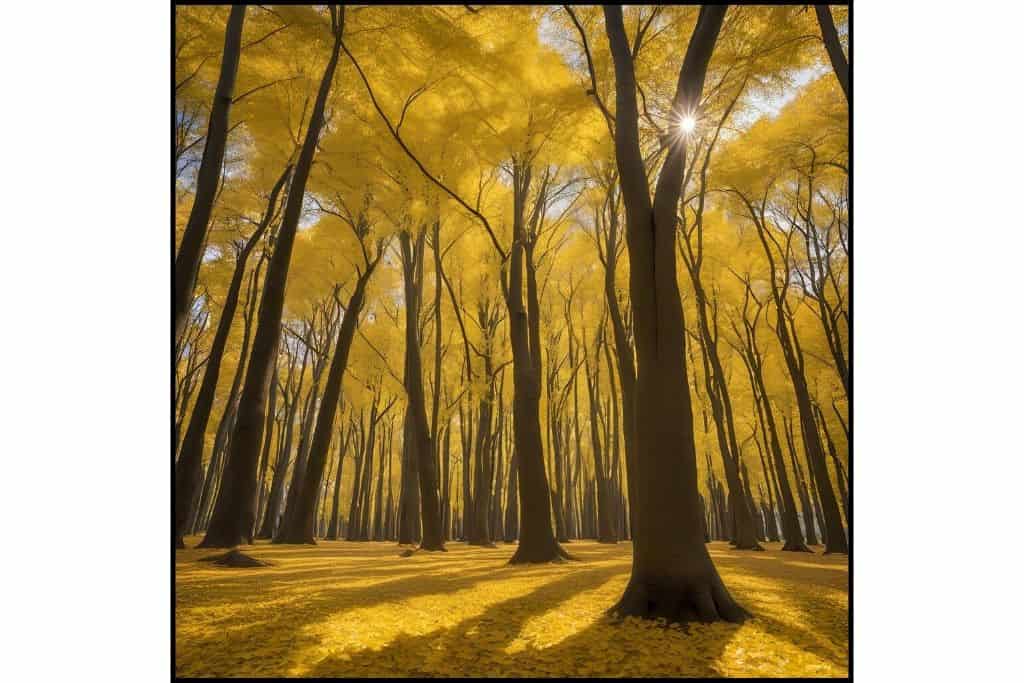
Built for the 1988 Summer Olympics, Olympic Park is enormous and combines classic fall foliage with seasonal flower displays.
One of the best autumn walks is the 1.4 km Ginkgo Tree Path from Mongchontoseong Station toward South Gate 1.
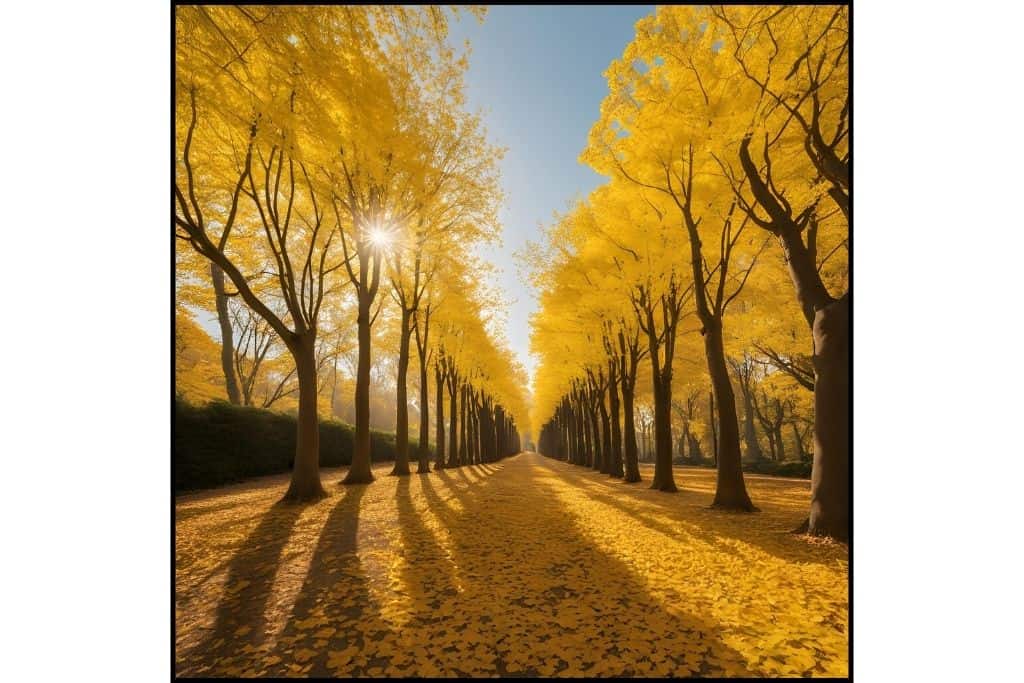
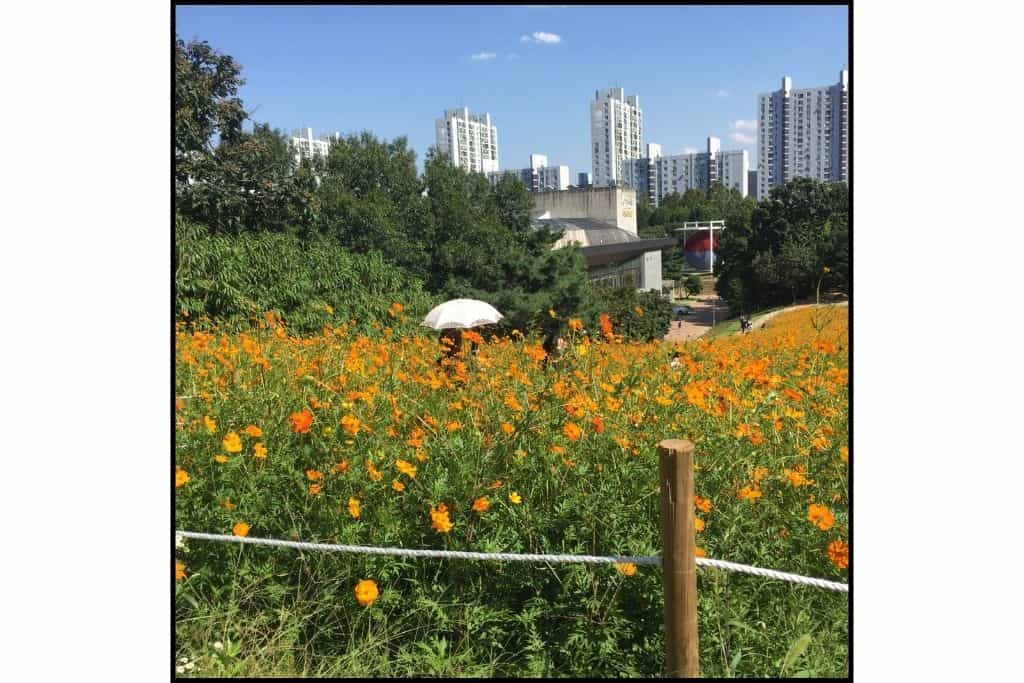
You can also catch late-season flowers around Rose Plaza, the cosmos fields, and the pink muhly grass areas, which give the park a completely different look in fall.
I visited Olympic Park with a Korean friend and we spent time around the cosmos fields and pink muhly before grabbing coffee and hanging out in the park.
- Getting there: Line 5 to Olympic Park Station, Exit 3 or 4, or Line 9 to Hanseong Baekje Station, Exit 2, about a 1-minute walk
- Cost: Free
- Hours: Open 24 hours
Check the official Olympic Park page from Songpa District for current events and seasonal notices.
Namsan Park & N Seoul Tower
Namsan combines fall foliage, forest trails, city views, and one of Seoul’s most recognizable landmarks.
You can take the cable car up for aerial views of the autumn colors or hike the wooded trails if you want a bigger workout.
The observation deck offers 360-degree views of Seoul, while the love locks area is another popular stop near the tower.
I took the bus up to Namsan and walked around the tower area from there.
Namsan is especially beautiful around sunset, when the tower lights up and the city starts glowing below, it’s one of the best spots for nighttime views in Seoul.
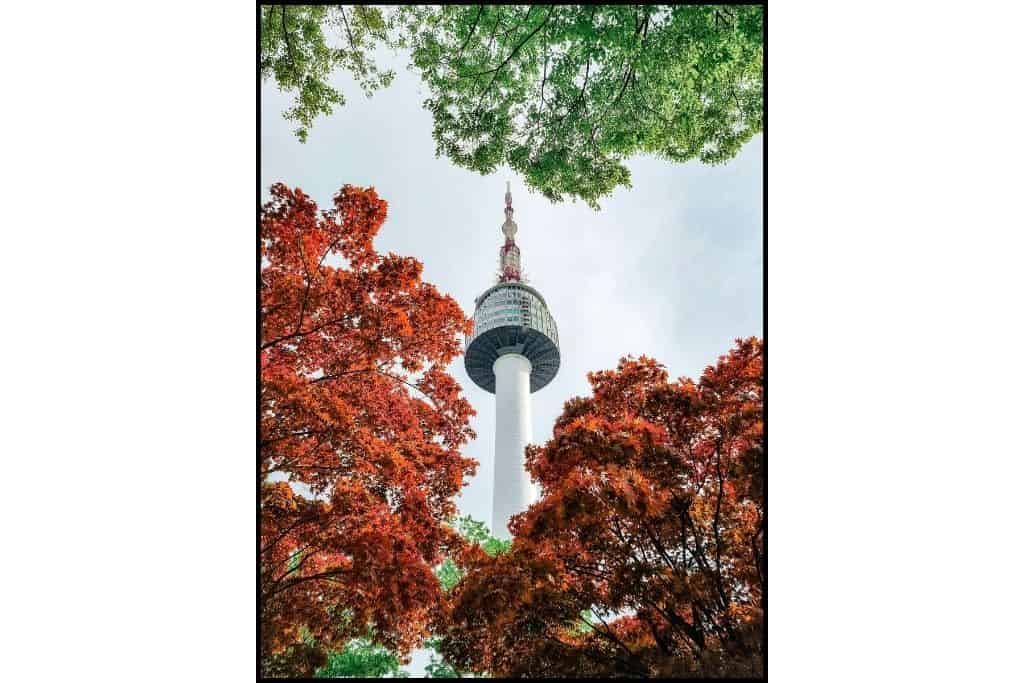
- Getting there: Subway Line 4 to Myeongdong Station, Exit 3, then the Namsan Cable Car, or walk up from Hoehyeon Station, Exit 4
- Alternative: Namsan Circular Shuttle buses (Routes 02, 03, or 05)
Check the official N Seoul Tower site for current tower hours and ticket info.
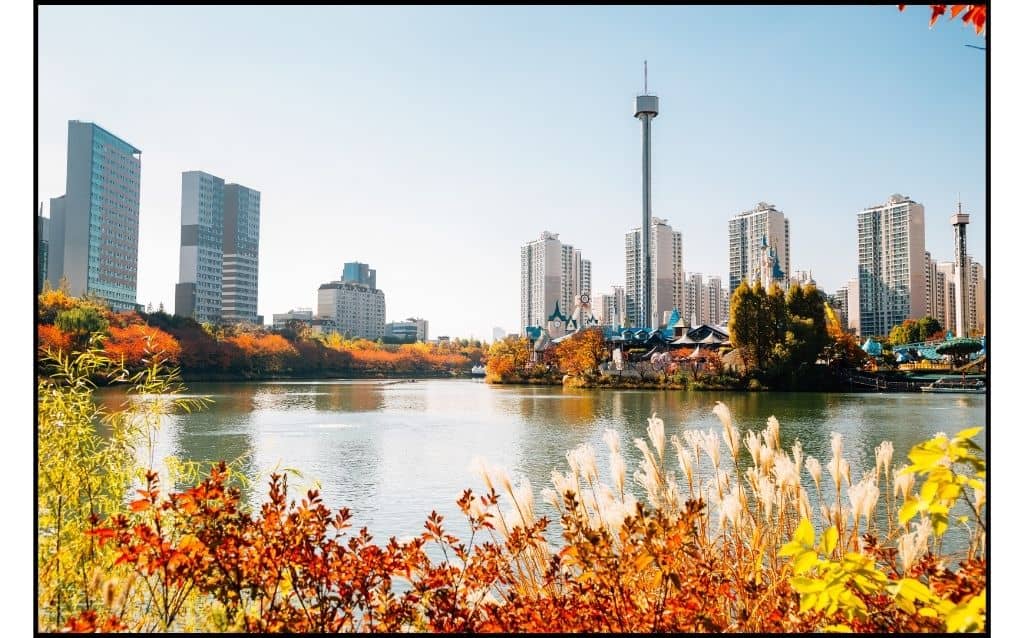
Songpa Naru Park (Seokchon Lake)
Songpa Naru Park, better known as Seokchon Lake, sits in Seoul’s Songpa district near Jamsil.
Songpa-daero splits the lake into East and West sections, and easy walking paths surround it, with autumn trees reflecting in the water.
It’s also easy to pair with Lotte World next door, Bangi-dong’s food alley, or one of the cafés around the lake.
- Getting there: Subway Lines 2 & 8 to Jamsil Station, Exit 2, about a 5-minute walk
Check the official Seokchon Lake Park page (Visit Seoul) for current events and seasonal notices.
Bukhansan National Park
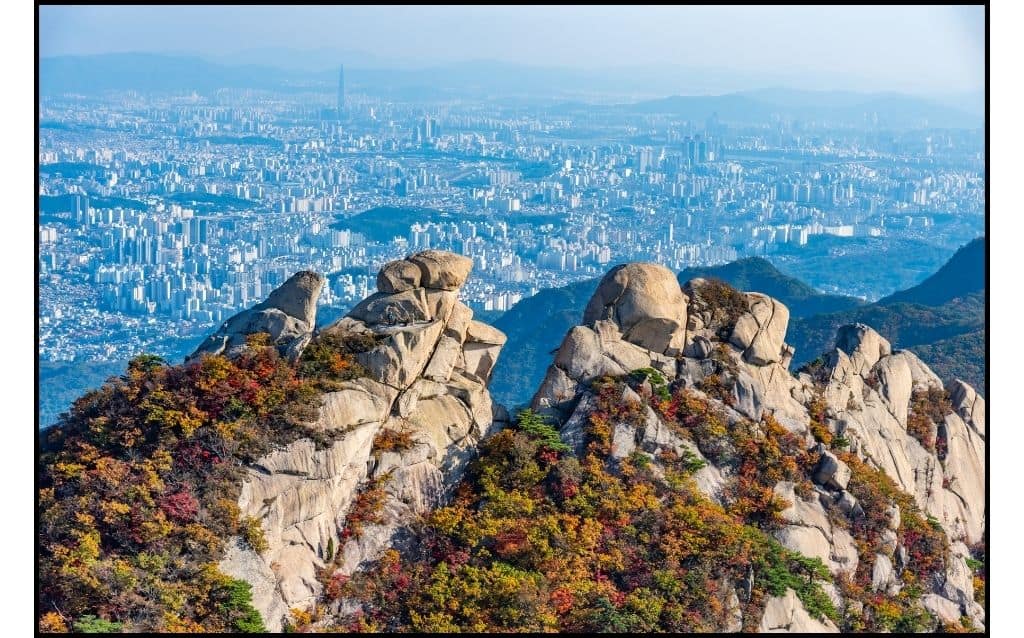
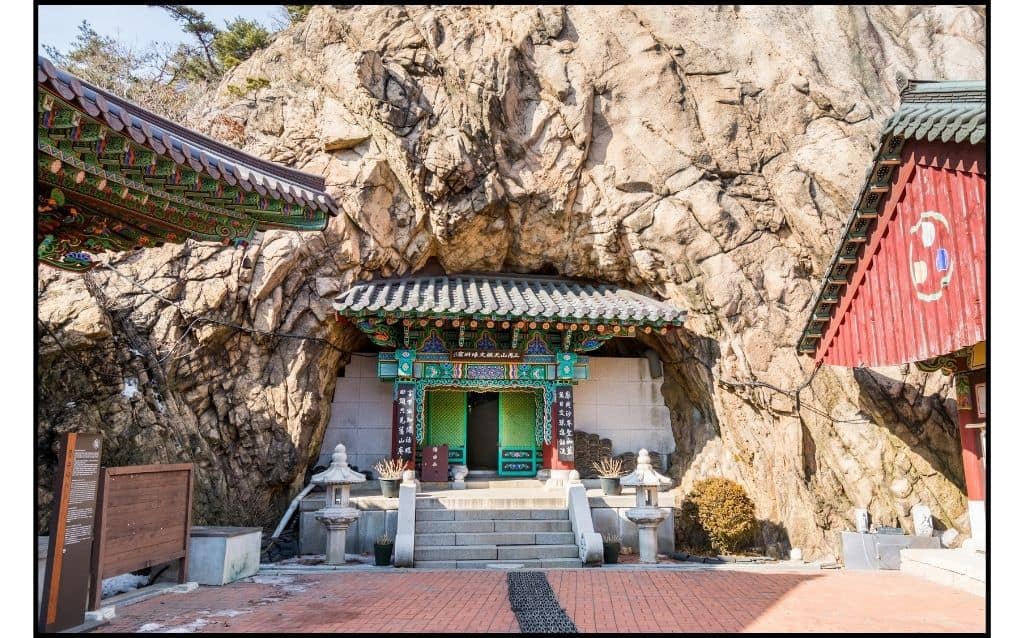
Bukhansan gives you some of the most dramatic autumn scenery in Seoul, with granite peaks, Buddhist temples, and forested trails turning red and gold at peak fall.
For the best views, Baegundae Peak is the challenging option, while the temple routes offer a more moderate way to combine foliage with historic sites.
You can also stick to the lower valley trails for mountain scenery and fall color without committing to a steep climb.
- Getting there: Line 3 to Gupabal Station, Exit 1, then Bus 34 or 704 toward the park entrance, or Line 4 to Suyu Station, Exit 1, then Bus 120
- Trail conditions: These are real mountain trails and can be steep and rocky in places. Wear proper hiking shoes, bring water, and carry an extra layer since temperatures can drop with elevation.
Check the official Bukhansan page from the Korea National Park Service for current trail conditions and seasonal notices.
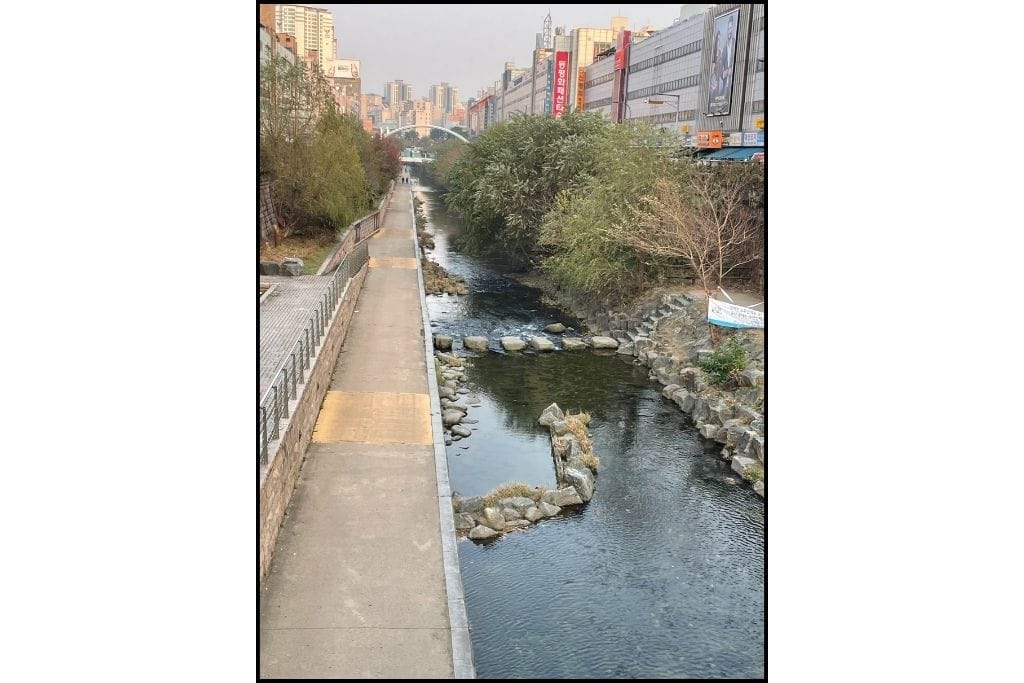
Cheonggyecheon Stream
Cheonggyecheon Stream is an 11-kilometer restored urban waterway running through central Seoul, turning the busy downtown into a calm green corridor.
In autumn, usually from October into November, its tree-lined paths fill with golden ginkgo and crimson maple leaves, while streamside lighting gives the area a softer feel after sunset.
I’ve walked along Cheonggyecheon many times, and it’s still one of my favorite places in Seoul to grab a coffee, slow down, and people-watch.
- Getting there: Line 1 or 2 to City Hall Station, Exit 4, about a 2-minute walk, or Line 5 to Gwanghwamun Station, Exit 5, about a 3-minute walk
- Visit on a weekday evening (6–8 PM) for fewer crowds and better photos
Check the official Cheonggyecheon Stream page (Visit Korea) for current events and seasonal notices.
Dream Forest (Bukseoul Ggumesup)
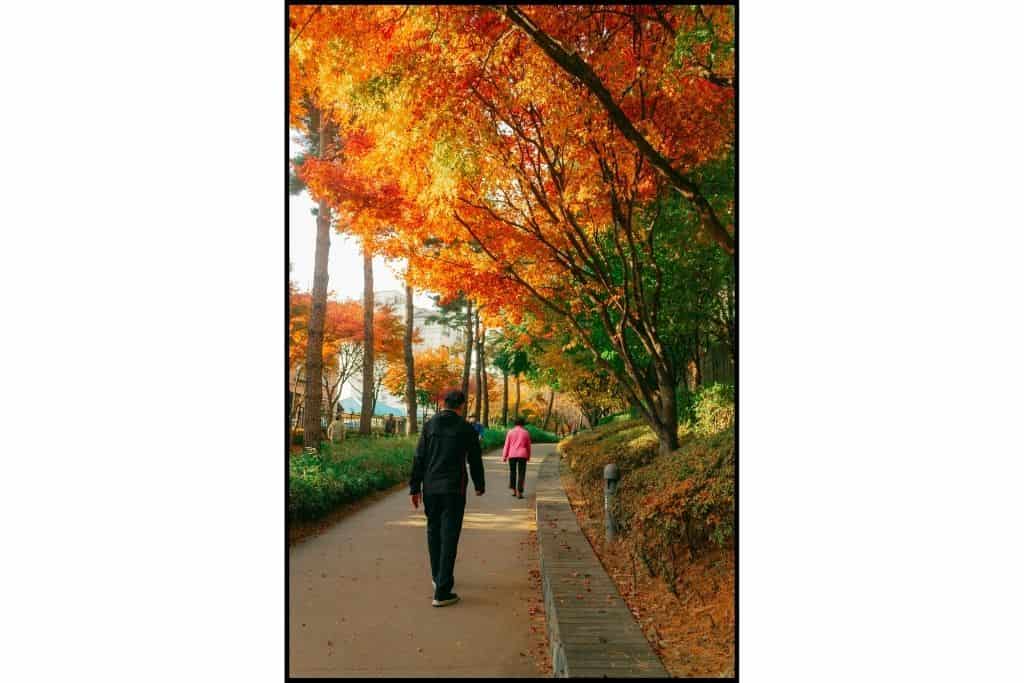
Dream Forest, in Seoul’s Gangbuk district, is one of the city’s quieter places to enjoy autumn foliage away from the busiest tourist areas.
From mid-October into early November, the Maple Forest section turns vivid shades of red and orange, while Moon Reflecting Pond (Wolmyeongho) reflects the surrounding color on calm days.
For a wider view, Wolgwangdae Observatory overlooks northern Seoul and the mountains beyond.
- Getting there: Line 4 to Miasageori Station, Exit 2, then Gangbuk05 bus to Bukseoul Ggumesup stop, about 15 minutes, or Line 6 to Dolgoji Station, Exit 3, then Bus 147 to the same stop, about 12 minutes
- Hours: The park is open 24/7, but the observatory keeps separate hours
- Food and drinks: There are cafés and restaurants inside the park if you want to stay for a while
Check the official Dream Forest page from the Seoul Metropolitan Government for current hours and seasonal notices.
University Campuses: Seoul’s Hidden Foliage Gems
Seoul’s university campuses turn into some of the city’s most beautiful autumn spots, with tree-lined paths and historic buildings framed in gold and red.
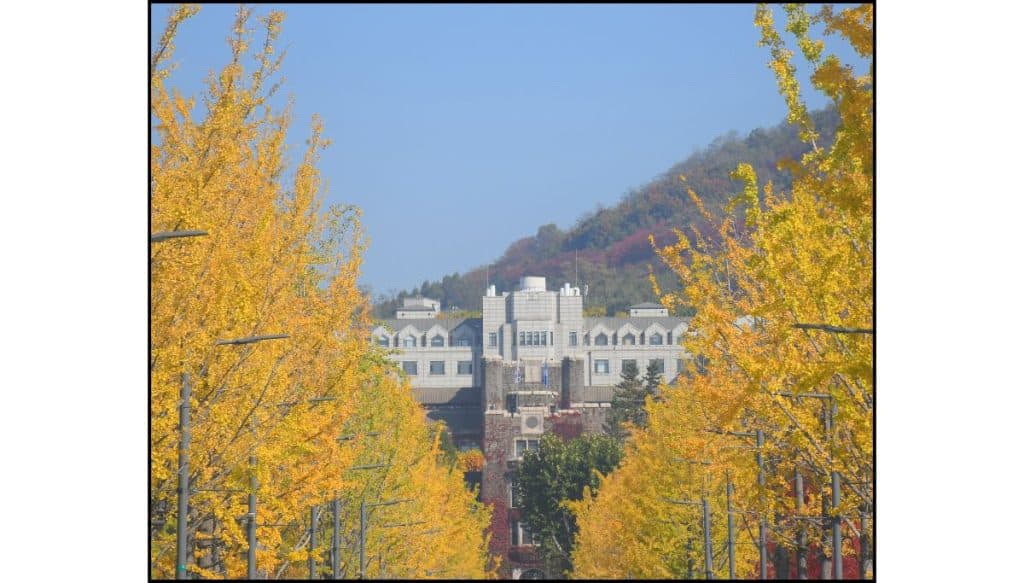
Yonsei University
Founded in 1885, Yonsei University is one of Seoul’s most picturesque campuses, especially in autumn when its ivy-covered Gothic stone buildings and tree-lined ginkgo paths turn shades of gold.
It’s also a good place to get a glimpse of everyday Korean campus life, with students studying outdoors, gathering between classes, and taking part in seasonal events alongside the fall scenery.
- Getting there: Subway Line 2 to Sinchon Station, Exit 2 or 3, then about a 5-minute walk to the main gate
- Visiting: Stick to the main pathways and public areas. It’s an active university, so avoid classrooms and private buildings
- Nearby: Easy to combine with Hongdae, Sinchon shopping, cafés, and restaurants
Check the Visit Korea page for Yonsei University for current visitor info and campus event notices.
Ewha Womans University: Campus Fall Colors
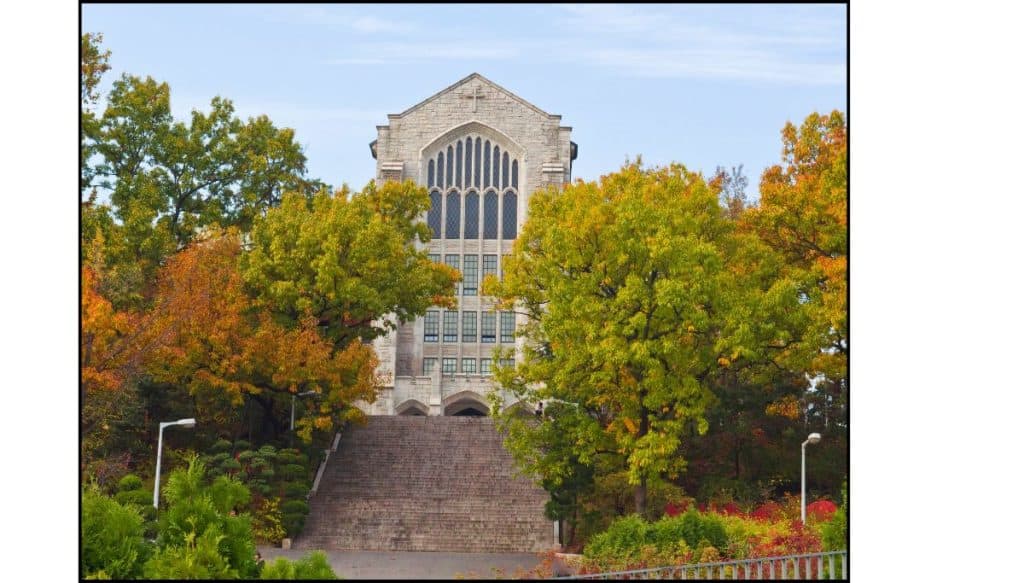
Located next to the lively Sinchon-Edae shopping district, Ewha Womans University blends striking architecture, a mix of modern and traditional buildings, with colorful autumn scenery, worth a visit in any season but especially vibrant in fall.
- Getting there: Subway Line 2 to Ewha Womans University Station, Exits 2 or 3, short walk to the entrance
- Easy to pair with Sinchon shopping and dining, or Yonsei next door if you’re doing a campus walk
Check the Visit Korea page for Ewha Womans University for current visitor info.
Sungkyunkwan University
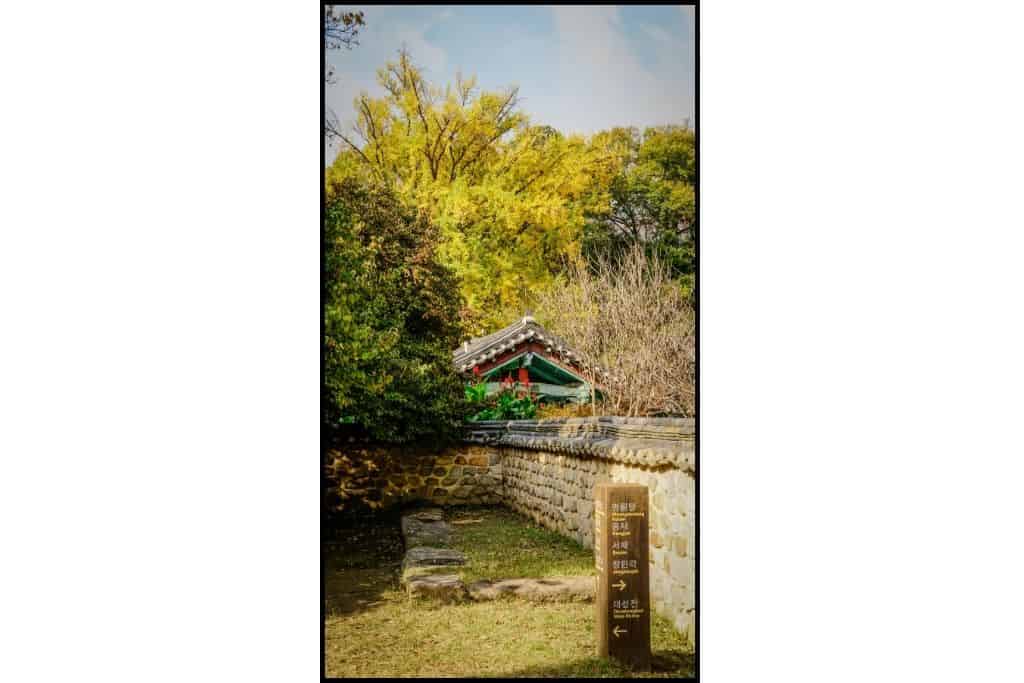
Sungkyunkwan University, one of Korea’s oldest educational institutions, offers one of Seoul’s most atmospheric autumn campus scenes.
Historic lecture halls and traditional Korean architecture sit among rows of ginkgo trees that turn brilliant gold in late October, creating a setting that feels very different from Seoul’s modern university campuses.
Myeongnyundang Lecture Hall stands out, framed by golden leaves and centuries-old buildings once used by Confucian scholars.
- Getting there: Subway Line 4 to Hyehwa Station, Exit 1, then a short walk to the campus gate
Check the Seoul Metropolitan Government page on Myeongnyundang Hall for more on the site’s history.
Local Parks and Quieter Foliage Spots
Beyond Seoul’s famous palaces and big-name parks, the city hides plenty of lesser-known fall spots that locals love, but most tourists overlook.
These under-the-radar places deliver authentic autumn scenery without the crowds, giving you a more personal way to soak in Seoul’s fall colors.
Maeheon Citizen’s Forest (Yangjae Citizens’ Forest)
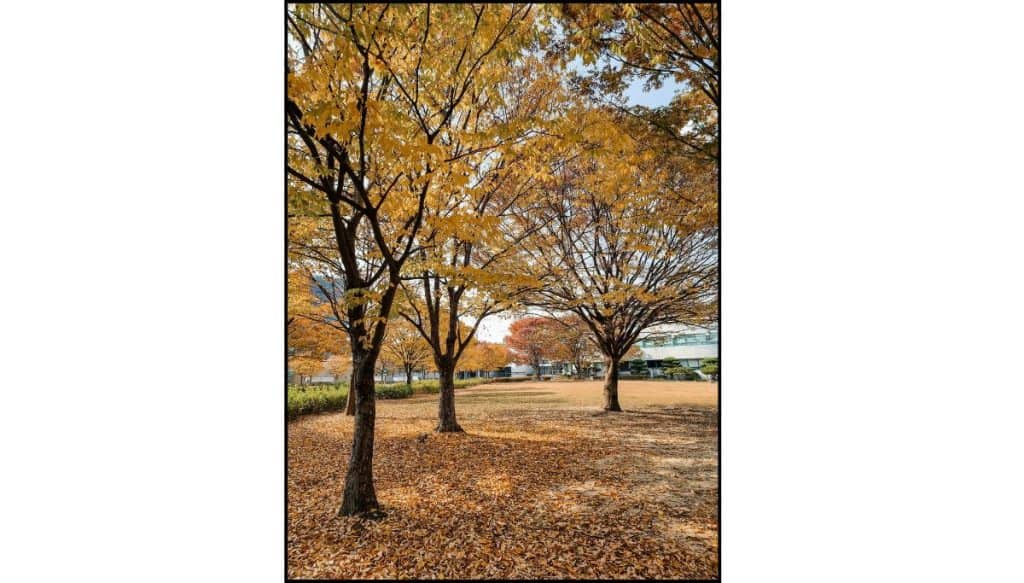
Maeheon Citizen’s Forest, also known as Yangjae Citizens’ Forest, is one of Seoul’s most underrated spots for a golden autumn walk, with more than 1,300 ginkgo trees lining a 2.7 km pathway that turns into a series of dramatic golden corridors.
Its location in southern Seoul puts it a little outside the usual central sightseeing circuit, making it a good option if you want to explore beyond the city’s best-known fall foliage spots.
If you love plants and flowers, you can also stop by the local flower market near the station, about a 10-minute walk away, Yangjae Citizens’ Forest Station (Sinbundang Line, Exit 4).
- Getting there: Shinbundang Line to Yangjae Citizens’ Forest Station, Exit 5, about a 7-minute walk
Check the Seoul Metropolitan Government page on Yangjae Citizens’ Forest for more info.
Grass Park at Jamwon Hangang Park
This unique section of Hangang Park offers an autumn experience you won’t find in Seoul’s forests or tree-lined streets.
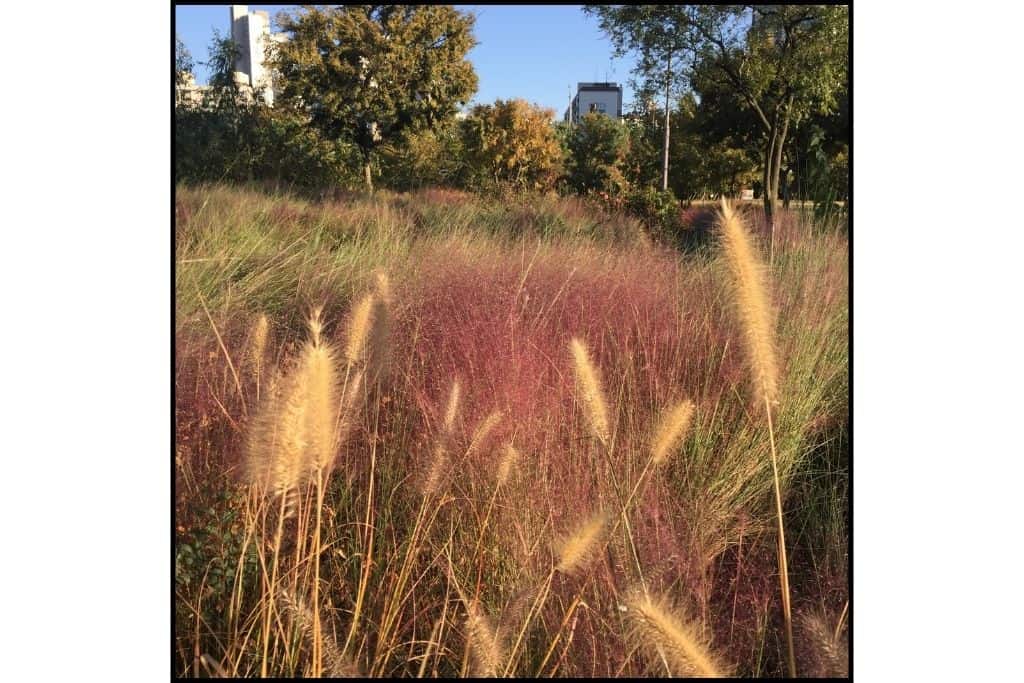
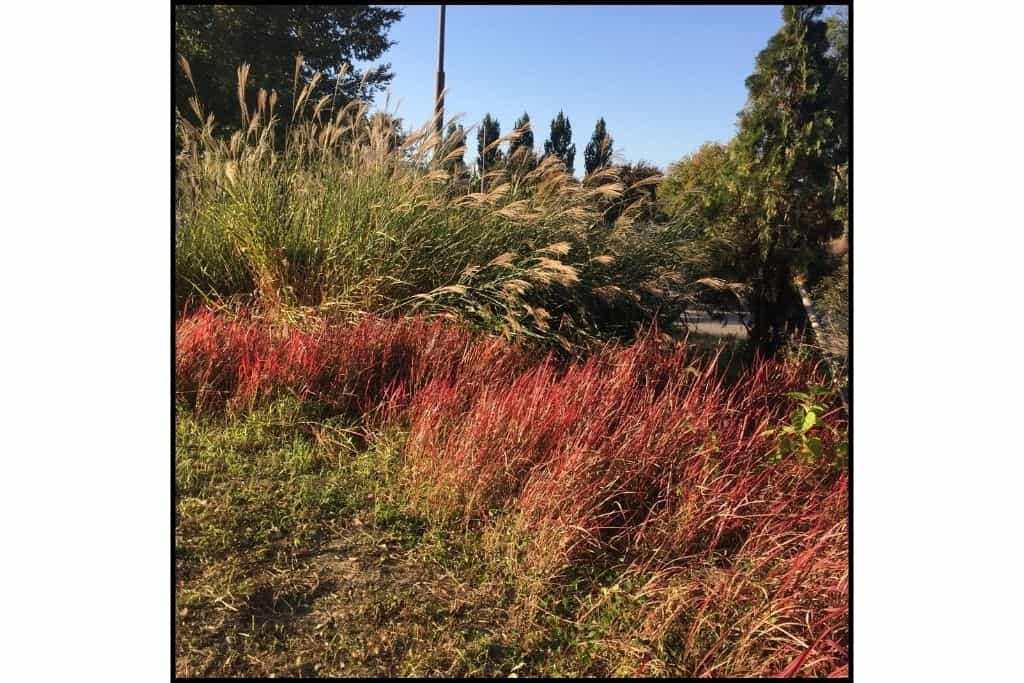
Instead of traditional fall foliage, “Grass Park” focuses on ornamental grasses and late-blooming flowers, with more than 20 species adding texture and color throughout the season.
The star is Pink Muhly Grass, with feathery pink plumes that have become a Korean autumn sensation, peaking from early October to early November and looking especially photogenic in late-afternoon golden-hour light.
Look out for Japanese Blood Grass, Golden Himalayan Fairy Grass, and Purple Fountain Grass swaying alongside it.
I’ve been, and it’s a lovely little grass garden tucked into the larger park, with plenty of space to wander and some genuinely good people-watching too.
- Getting there: Line 3 to Jamwon Station, Exit 3 or 4, then about a 10-minute walk: head to the corner and turn left at the light, continue to the main road and turn right at the next light, cross at the crosswalk, and go through the underpass
- Open 24/7
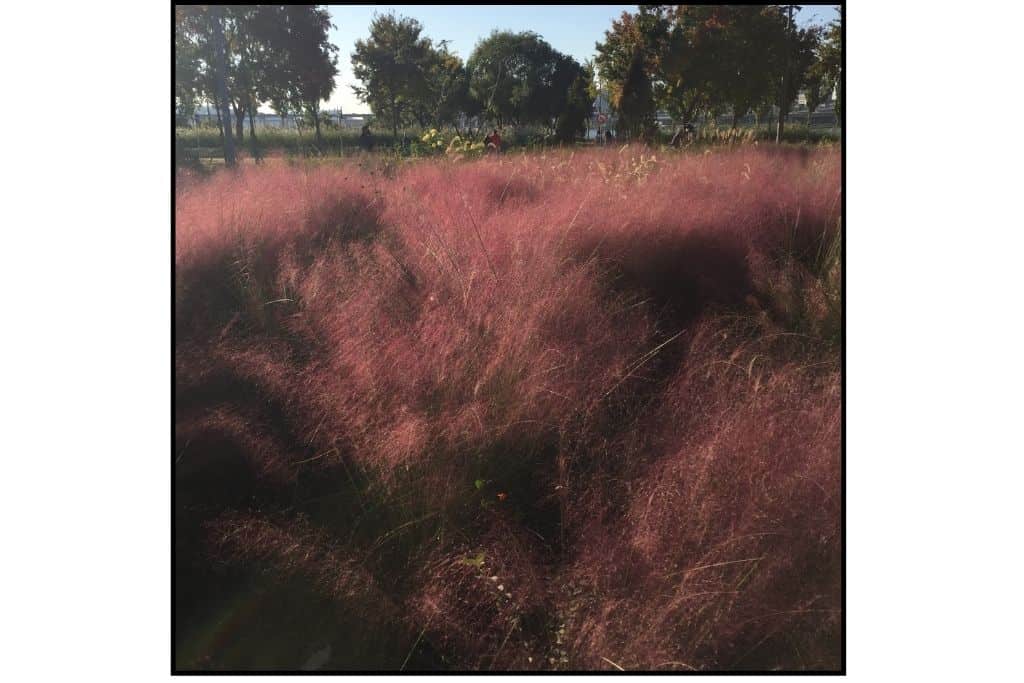
Check the Seoul Metropolitan Government page on Jamwon’s Pink Muhly Grass for seasonal updates.
Autumn Streets and Traditional Neighborhoods
Seoul’s streets and traditional neighborhoods can be just as beautiful in autumn as its parks, with colorful trees woven into shopping streets, café areas, historic lanes, and everyday city life.
Samcheong-dong to Bukchon Hanok Village
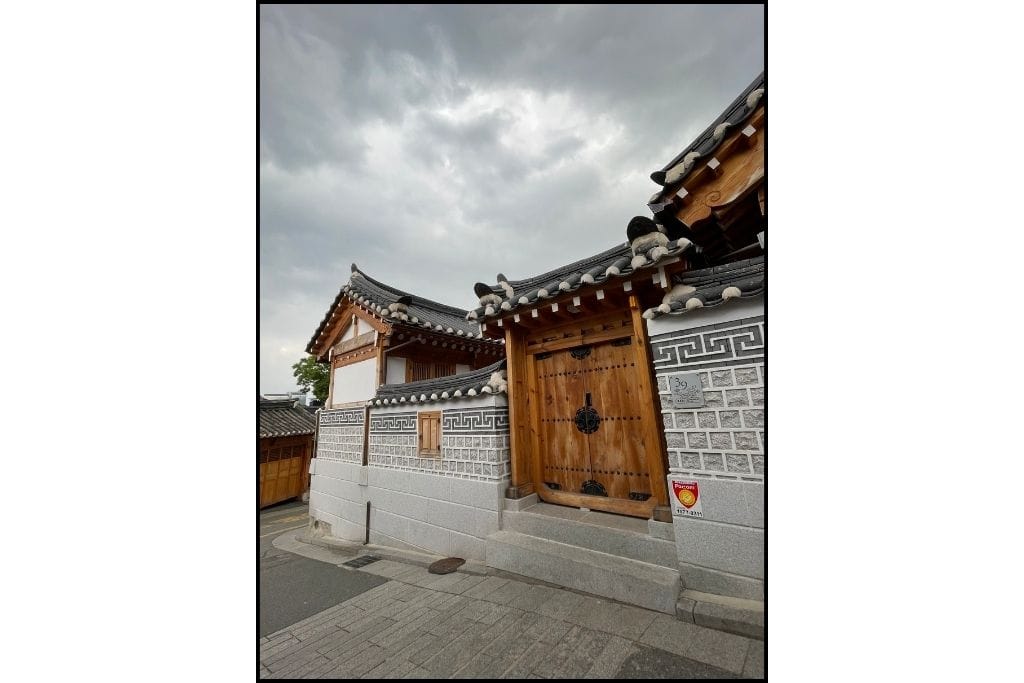
This traditional neighborhood walk blends autumn color with cultural exploration along a roughly 1.5 km route past palace walls, old hanok streets, and local art galleries.
- Start at Anguk Station (Line 3) and walk toward Gyeongbokgung Palace’s east wall near the National Folk Museum, framed by ginkgo and maple in autumn
- Continue through Samcheong-dong’s traditional streets, past small art galleries and craft shops, many sell unique souvenirs
- End at Bukchon Hanok Village, where centuries-old hanok houses meet the golden leaves. Important: the residential Red Zone is restricted to tourists from 5 PM to 10 AM, so plan to visit this part of Bukchon earlier in the day. Entering the restricted area during those hours can result in a fine of up to ₩100,000.
- Pop into a Samcheong-dong rooftop café along the way for elevated views over the neighborhood
- Getting there: Line 3 to Anguk Station, handy to pair with visiting Changdeokgung first
- Walking time: 1–2 hours depending on photo stops and café breaks
Sinsadong Garosu-gil: Urban Autumn Shopping
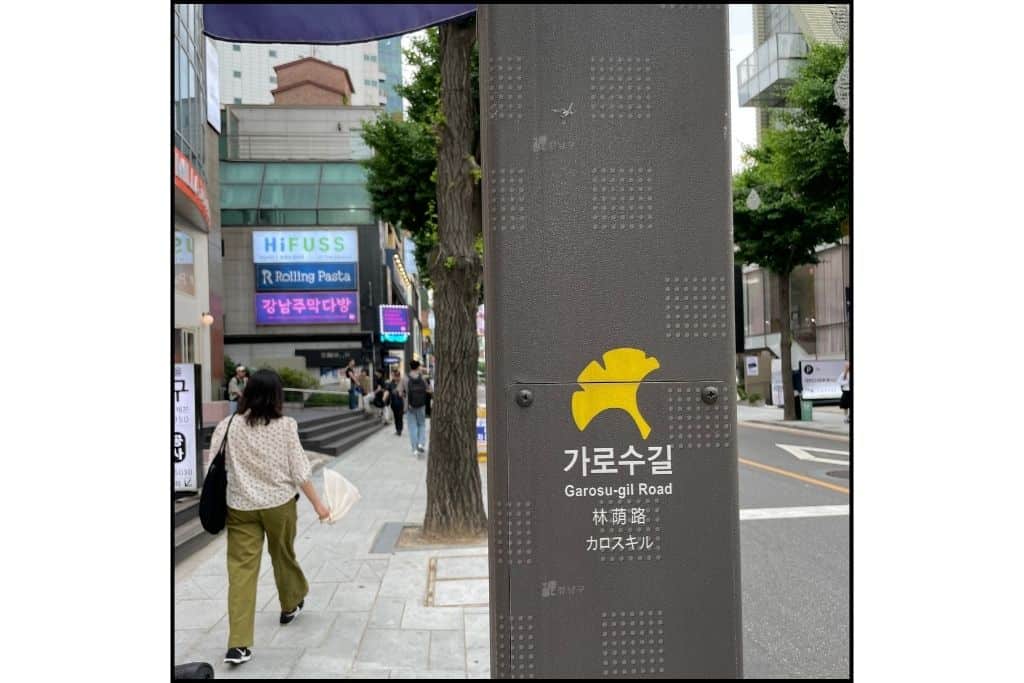
Garosu-gil is still one of the prettier places in Seoul for golden ginkgo trees, with rows of yellow leaves lining the street in late autumn.
If you’re specifically looking for that classic Seoul ginkgo look, it’s still worth a walk.
The area is much quieter than it was during its peak as one of Seoul’s trendiest shopping streets.
When I wandered through in May 2026, I saw a couple of chain stores and a handful of smaller shops still open, along with plenty of cafés and restaurants, but the boutique shopping scene that once made Garosu-gil famous was no longer there.
It’s still a pretty street for the trees and a decent place to stop for coffee, but I wouldn’t come here expecting the bustling shopping destination it used to be.
- Getting there: Line 3 to Sinsa Station, Exit 8, then walk toward Garosu-gil
Day Trips from Seoul: Chasing Autumn Foliage
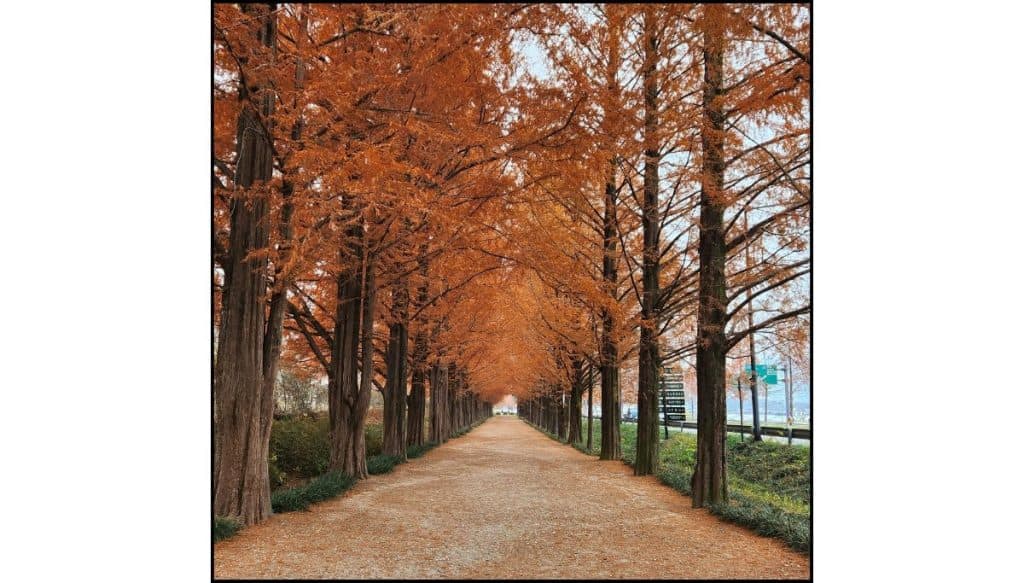
Want to get outside Seoul for fall foliage? Popular options include Namhansanseong, Hwadam Forest, Suwon Hwaseong Fortress, and several spots farther into Gyeonggi-do.
I’ve put the transportation details, practical tips, and longer-distance options in my guide to fall day trips from Seoul.
Why Visit Seoul in Autumn
Seoul’s autumn appeal goes beyond just the fall colors. Days tend to be mild and comfortable, with clear skies and less humidity than summer, ideal for a full day of walking and sightseeing.
Air quality can still vary in autumn, so I use the MiseMise (미세미세) app to check fine dust levels and usually carry a KF94 mask on bad-air days.
Essential Seoul Autumn Travel Planning & Tips
Best Areas to Stay in Seoul
Myeongdong is a convenient base for central Seoul sights, including the palaces, Deoksugung, Namsan, and Cheonggyecheon. Hongdae works well for Han River parks and other spots in western Seoul.
For a full neighborhood breakdown, see my guide to Where to Stay in Seoul.
Staying connected in Korea is a lot easier with a SIM card or eSim
👉 Grab your SKT Unlimited Local Data & Voice Calls Sim Airport Pick up HERE
OR
Grab your Korea eSIM with SKT Unlimited LTE data + Voice
What to Wear for Seoul’s Autumn Weather
Layered Clothing:
October mornings can be chilly (around 10°C/50°F) and afternoons warm up to 20°C/68°F, so I recommend packing layers.
Evenings get noticeably cooler too, especially heading into November, so it’s worth having a jacket you can layer up for sunset walks or night views.
A hoodie, a light jacket or windbreaker (bonus if it has a hood), comfortable walking shoes, and a scarf will keep you cozy when the wind picks up.
Need KTX Train Tickets 👉 Book your tickets here to reserve your seat in advance with Trip.com.
Traditional Experiences for Your Seoul Adventure
Hanbok Rentals:
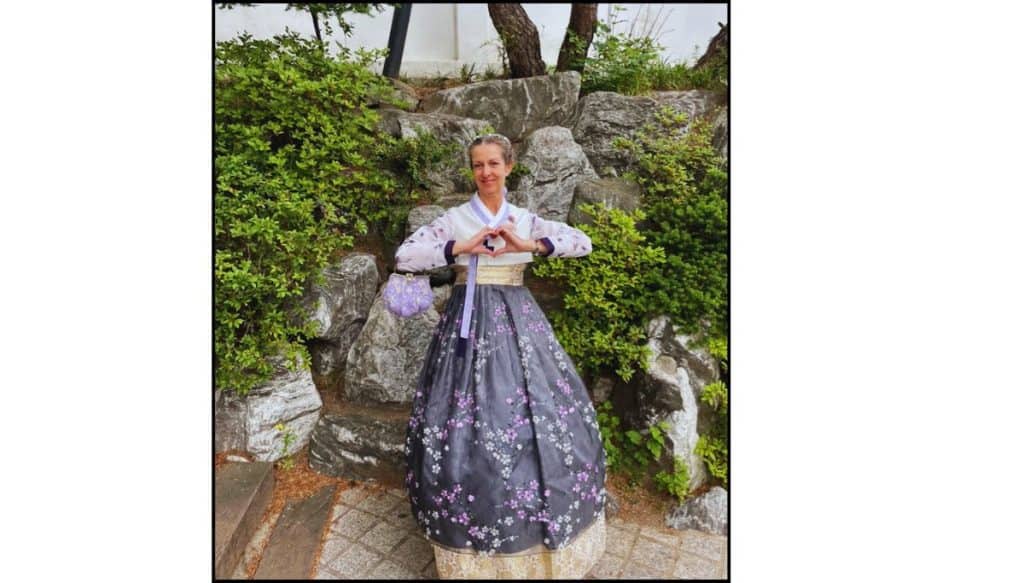
Renting a hanbok can be a fun addition to a palace day, especially in autumn when the colors look great against the historic buildings.
Shops around Gyeongbokgung and Changdeokgung offer a wide range of styles, and some rentals include simple hairstyling.
Guys can join the fun too. You’ll see couples and families all dressed up for photos and palace strolls.
Wearing a hanbok also gets you free palace admission, but rentals cost a bit more than the entry ticket, so think of it as an experience rather than a way to save money.
Visitors are generally welcomed and encouraged to wear hanbok respectfully, so you don’t need to worry about it being inappropriate simply because you’re not Korean.
I loved the full hanbok experience, hair styling and all! I definitely recommend it if it fits your budget.
FAQ
Seoul’s fall colors unfold in stages. Maples and mountain areas like Bukhansan turn first, usually mid- to late October. Ginkgo trees, the stars of spots like Seoul Forest, Olympic Park, Namsan, and the university campuses, peak later, from late October into early-to-mid November. Weekends can get packed at palaces, parks, and viewpoints like Namsan, so aim for midweek if you can.
Autumn is one of Seoul’s busiest seasons. Expect crowds at top spots in late October. Go early in the day or later in the afternoon to dodge the biggest rush. For less crowded areas, check out lesser-known places like Dream Forest or university campuses.
Layers! Mornings can be chilly, afternoons mild 50-68°F (10–20°C). Bring a light jacket, scarf, and comfy shoes, as you’ll walk a lot. If it rains, you can grab a cheap umbrella or poncho at any convenience store.
Plan 3–4 days for Seoul’s main foliage spots plus a day trip like Nami Island or Hwadam Botanic Garden. If you’re short on time, 2 days cover highlights like palaces and parks. Most spots are easy to reach by subway, but day tours can save time for farther trips like Seoraksan or Naejangsan.
Not at all! It’s encouraged! Locals love seeing visitors wear hanbok at palaces or Bukchon Hanok Village, and rental shops help you dress properly (often styling hair too). I loved doing the full hanbok experience myself. Just wear it respectfully and enjoy stepping back in time.
Yes. Part of Bukchon’s residential area is a designated “Red Zone” that’s off-limits to tourists from 5 PM to 10 AM, so plan to visit that part of the neighborhood earlier in the day. Entering during restricted hours can result in a fine of up to ₩100,000. See the official notice for exact boundaries and details.
Yes, for one spot: Changdeokgung’s Secret Garden requires a separate ticket and a guided tour (available in English), it’s not included with general palace admission, even if you’re wearing a hanbok for free entry elsewhere in the palace. Check the official Changdeokgung Palace website for current tour times and reservation details.
Wrap Up
Seoul in autumn gives you plenty of ways to enjoy Korea’s famous fall colors without traveling to remote mountain parks.
From royal gardens and modern parks to quiet neighborhood walks, the city mixes seasonal scenery with history, culture, and everyday local life.
Use the practical tips, timing advice, and local insights in this guide to plan a single autumn outing or build several colorful stops into your Seoul itinerary.
🍁 Planning Your Korea Fall Trip? Don’t miss these guides!
✔️ Getting from Incheon to Seoul — easy, stress-free.
✔️ Free Things to Do in Seoul — food, fun, fall vibes.
✔️ 3-Day Itinerary for Seoul — no guesswork, just go. Save this guide & plan smarter!